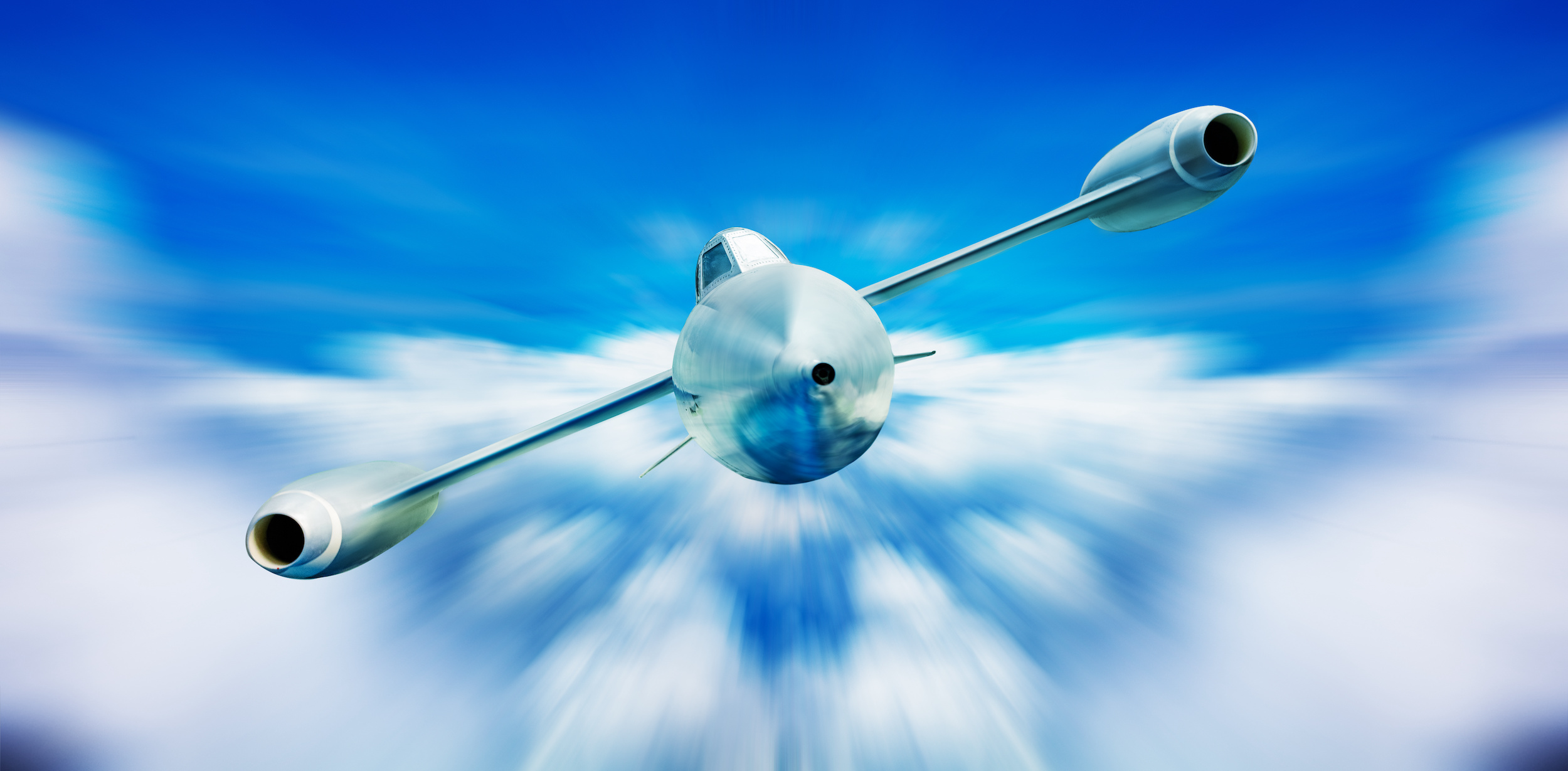

For those of us growing up near jet fighter airfields in the 1960s and 70s, hearing sonic booms, with the accompanying windows and china rattling, were just par for course. The loud, thunder-clap noise was often referred to – with an all-knowing nod – “the sound of freedom.”
But by the time the supersonic Concorde entered the scene in 1969, people on both sides of the Atlantic were tired of the sound and the Concorde was confined to putting the petal-to-the-metal only over the ocean.
After 27-years of only intermittent profitability at best, when a Concorde crashed in 2003 killing all on board, it was an easy decision to consign “the airliner of the future” to the scrapheap.
However, according to The New York Times, supersonic travel might be returning. Engineers, now armed with supercomputers instead of slide rules, have solved the sonic boom issue, making air travel over land a real possibility. But what engineers can’t solve is the economics of travelling at supersonic speeds. Are there enough paying customers willing to fork out the thousands of pounds and dollars for the convivence of arriving somewhere a few hours earlier?