Experts in Risk
The UK Building Safety Act imposes a duty to appoint competent professionals for work on higher risk buildings. The challenge for dutyholders is how to identify those professionals. A new initiative from the Institution of


The UK Building Safety Act imposes a duty to appoint competent professionals for work on higher risk buildings. The challenge for dutyholders is how to identify those professionals. A new initiative from the Institution of

The shortlist for the 2026 Engineering Matters Awards has been decided. The awards celebrate work in engineering that impacts on key sustainable development goals. This year’s awards saw a record number of nominations, with more

Manufacturing automation and computer development can both trace their origins to the work of Joseph Marie Jacquard, who in 1804 patented a punch card system for controlling automated weaving machines. A generation later, Charles Babbage

Sensors and sustainability In the mid-20th century, Europe began rebuilding its infrastructure after the Second World War, leading to a significant expansion of networks like roads, railways, and waterways. A large portion of the infrastructure
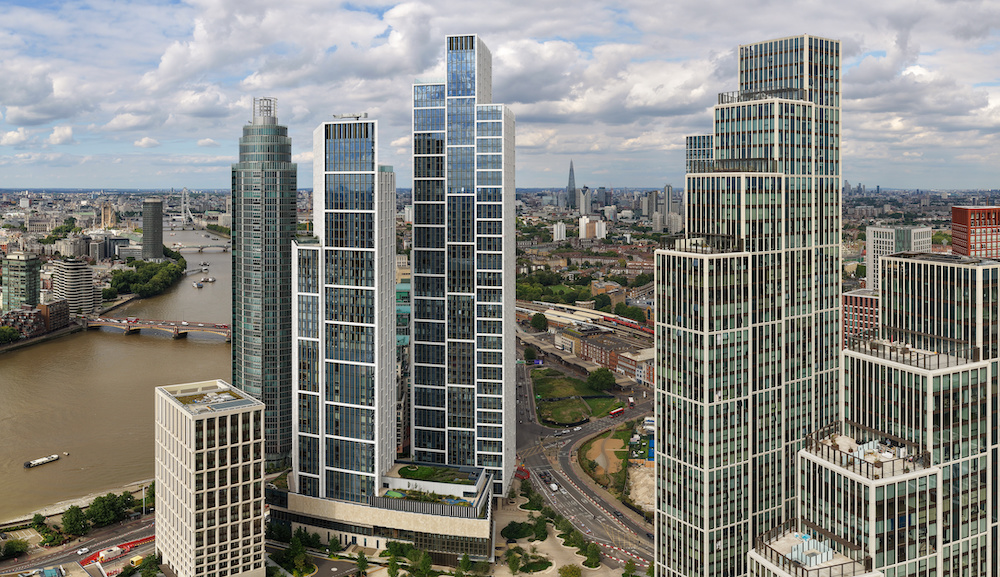
Around the world, urban planners are seeking to deliver urban growth and increase access to city centres through the development of transit-oriented communities. These combine new publicly-backed transport infrastructure, with privately-financed residential and commercial development. It’s a route to more sustainable cities, but it involves careful navigation of budgetary constraints and the needs of existing communities.
Michael Matthys explains some of the challenges of delivering transit-oriented communities in Toronto. He explains some of the challenges, both in terms of engineering, and in terms of meeting community needs. For stations in crowded downtown areas, he describes the importance of maintaining local character, and explains how retrofit might be a suitable solution. Looking further out into the suburbs, he describes policies that can help maintain affordable options for residents, and the engagement needed to ensure community support.
Guest
Michael Matthys, Planning Lead, SvN Architects + Planners
Partner
Egis is a leading global architectural, consulting, construction engineering, operations and mobility services firm. Egis creates and operates intelligent infrastructure and buildings that both respond to the climate emergency and contribute to balanced, sustainable and resilient development.
Its 22,000 employees operate across over 100 countries, deploying their expertise to develop and deliver cutting-edge innovations and solutions for clients. Through the wide range of its activities, Egis plays a central role in the collective organisation of society and the living environment of citizens all over the world.


Around the world, urban planners are seeking to deliver urban growth and increase access to city centres through the development of transit-oriented communities. These combine new publicly-backed transport infrastructure, with privately-financed residential and commercial development. It’s a route to more sustainable cities, but it involves careful navigation of budgetary constraints and the needs of existing communities.
Michael Matthys explains some of the challenges of delivering transit-oriented communities in Toronto. He explains some of the challenges, both in terms of engineering, and in terms of meeting community needs. For stations in crowded downtown areas, he describes the importance of maintaining local character, and explains how retrofit might be a suitable solution. Looking further out into the suburbs, he describes policies that can help maintain affordable options for residents, and the engagement needed to ensure community support.
Guest
Michael Matthys, Planning Lead, SvN Architects + Planners
Partner
Egis is a leading global architectural, consulting, construction engineering, operations and mobility services firm. Egis creates and operates intelligent infrastructure and buildings that both respond to the climate emergency and contribute to balanced, sustainable and resilient development.
Its 22,000 employees operate across over 100 countries, deploying their expertise to develop and deliver cutting-edge innovations and solutions for clients. Through the wide range of its activities, Egis plays a central role in the collective organisation of society and the living environment of citizens all over the world.


The UK Building Safety Act imposes a duty to appoint competent professionals for work on higher risk buildings. The challenge for dutyholders is how to identify those professionals. A new initiative from the Institution of

The shortlist for the 2026 Engineering Matters Awards has been decided. The awards celebrate work in engineering that impacts on key sustainable development goals. This year’s awards saw a record number of nominations, with more

Manufacturing automation and computer development can both trace their origins to the work of Joseph Marie Jacquard, who in 1804 patented a punch card system for controlling automated weaving machines. A generation later, Charles Babbage

Sensors and sustainability In the mid-20th century, Europe began rebuilding its infrastructure after the Second World War, leading to a significant expansion of networks like roads, railways, and waterways. A large portion of the infrastructure

Engineers Without Borders UK has renewed its support for the Engineering Matters Awards. The charity, one of 30 branches of a global organisation, fosters engagement by engineers with communities around the world. Its aims of

Entry for the 2026 Engineering Matters Awards is now open. Enter here We invite projects, companies, innovations, and exceptional individuals in the engineering industry to step into the spotlight and showcase their achievements. This is

Engineers from around the world gathered at the Postal Museum in London for the Engineering Matters Awards 2025, presented in partnership with the Institution of Mechanical Engineers, IMechE, and Engineers Without Borders UK, EWB UK.
In a few week’s time the 30th UN Climate Change Conference will take place in Belém, Brazil. While the world is making progress on cutting the carbon emissions that cause climate change, there is much work still to be done.
Even if the world were to meet the goals put in place ten years ago in the Paris Agreement, we would continue to face the impacts of climate change. We will also need to focus on adaptation.
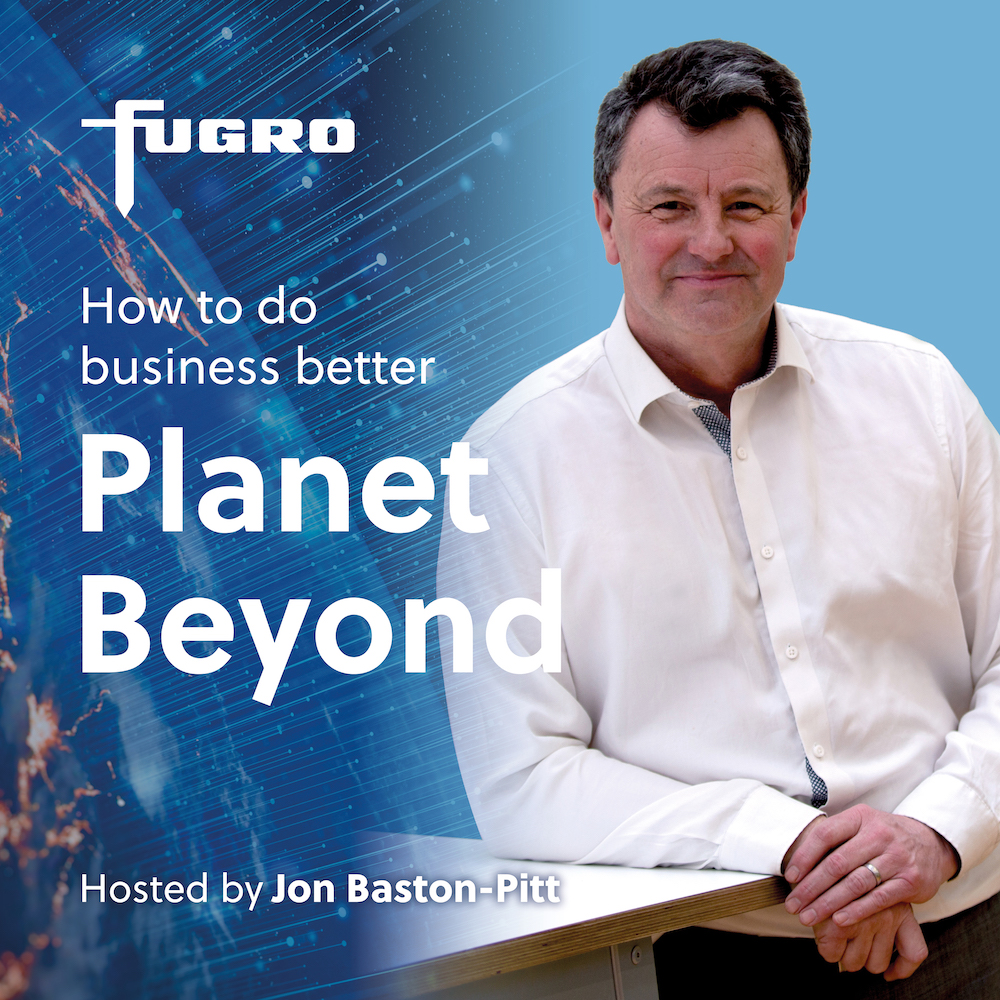
One adaptation that could both build resilience and absorb carbon dioxide emissions from the atmosphere is the development of mangrove forests. In this episode, first aired in February 2024, and focused on the outcomes of COP 28, Jon Baston-Pitt was joined by two guests who have been using cutting edge technology to plant new mangroves.
Jane Glavan is the co-founder of Distant Imagery. The company combines cutting edge technologies with locally available techniques and materials, to develop drones, balloons and kites that can be used to bring us closer to Net Zero. In Abu Dhabi, their drones are reforesting mangrove swamps, propelling thousands of seedlings into the ground, in every eight minute drone flight.
This is a long-term project. Mangroves can take decades to reach maturity. Distant Imagery needed more access to data to track, refine, and share their approach. That has been Fugro’s focus. David Millar shared the importance of the UN Ocean Decade Corporate Data Group, which we first looked at in a February 2023 shortcast. The group is working to make available ocean data from some of the world’s most important private-sector collectors, and share it with potential users, such as Distant Imagery.
Host
Jon Baston-Pitt
Guests
Jane Glavan, Co-Founder, Distant Imagery
David Millar, Government Accounts Director, Americas, Fugro

HS2’s Learning Legacy Podcast is a five-part series exploring the Learning Legacy programme.
HS2 is one of the most complex and challenging railway scheme the UK has ever undertaken. As such, it has been generating vast amounts of data across the board. Every geological survey, every design, every site, every environmental survey, all generating more and more data.
So with all this data, what do you do with it?
The final episode of the Learning Legacy Podcast looks at how HS2 has been using their data to build more detailed models, advance approaches to work and better equipment that can provide greater insights into the world of construction engineering.
Featuring:
Roberto Alberola – TYPSA, Head of BIM and Digital
Peter Ruff – SCS, Head of BIM
Jonny Neville – Mott Macdonald, Engineering Geologist and Information Manager
Idarousse Mouhtar – BBV, Senior Materials Engineer
Dr Anne-Marie Imafidon MBE – Social Entrepreneur and Computer Scientist
Roberto and Peter dive into the creation of a digital version of the project using Building Information Modelling (BIM) and ensuring there is a single point of truth so all designers and contractors along the length of the project are on the same page.
Jonny and Idarousse talk through the process of earthworks excavation by using a new 3D GeoBIM model which allows for more advanced ground investigation surveys. Further pushing the importance of the planning process before putting a spade in the ground.
Dr Anne-Marie closes out the series with an extract from her speech given at HS2’s Learning Legacy Live event. Highlighting having a growing mindset, experimenting along with learning from our actions and asking “how” we do things.
Find out more about HS2’s Learning Legacy Programme at: https://learninglegacy.hs2.org.uk/