Space
#373 Lubricating the Lunar Frontier
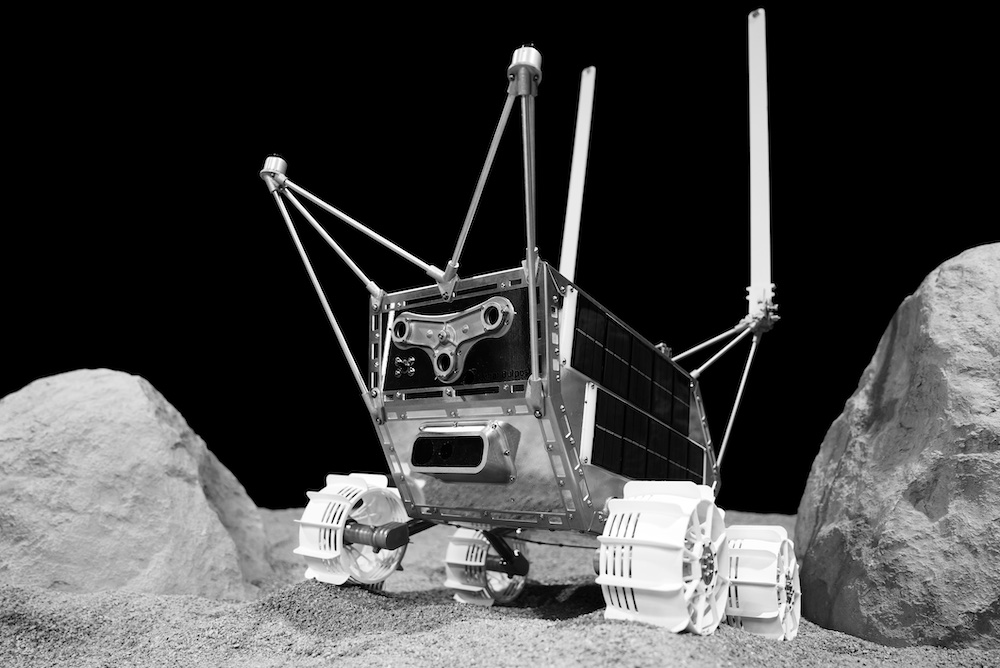
Returning to the Moon is the next step, but staying there is the next leap. Abrasive and electrostatically-charged dust particles cling to every surface, and

Returning to the Moon is the next step, but staying there is the next leap. Abrasive and electrostatically-charged dust particles cling to every surface, and
Humanity’s furthest ever journey into space has been delayed. Again. An interruption to the flow of helium forced NASA to scrap the revised 6 March
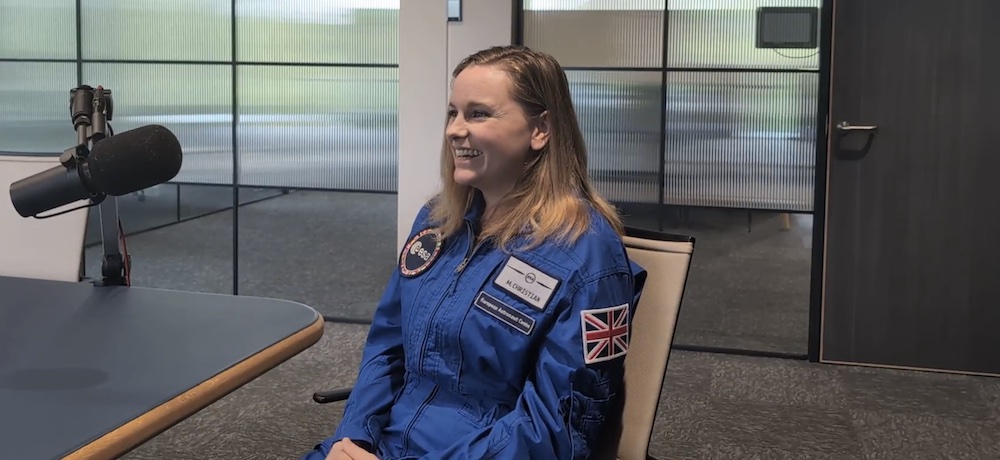
Dr Meganne Christian is a scientist and adventurer. In her research, she has studied the performance of novel materials including the use of nanoscale metals

Quantum mechanics has transformed our understanding of reality, but how did we get here? In this episode, we celebrate the International Year of Quantum, marking
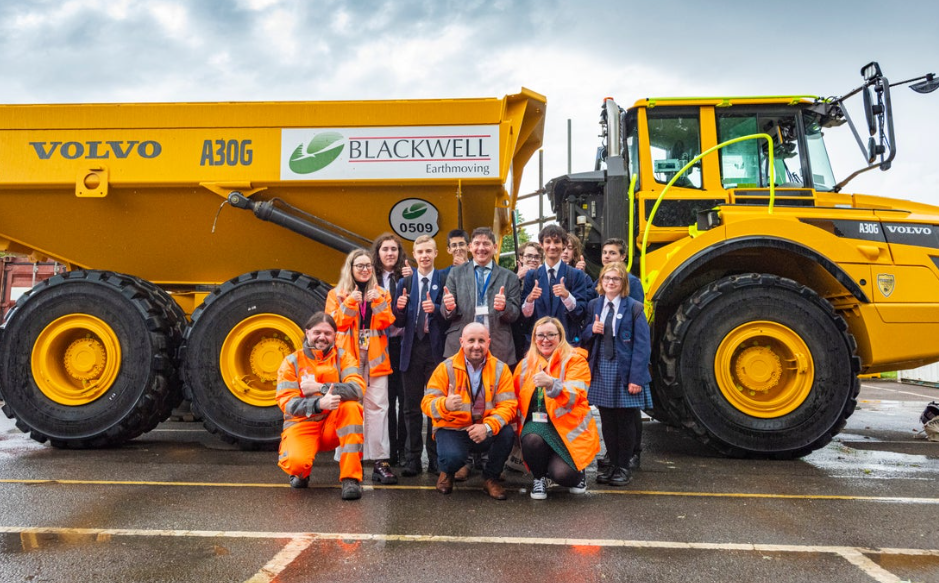
We should all want to build workplaces where everyone feels safe and included. But how can we do that when we don’t know what everyone
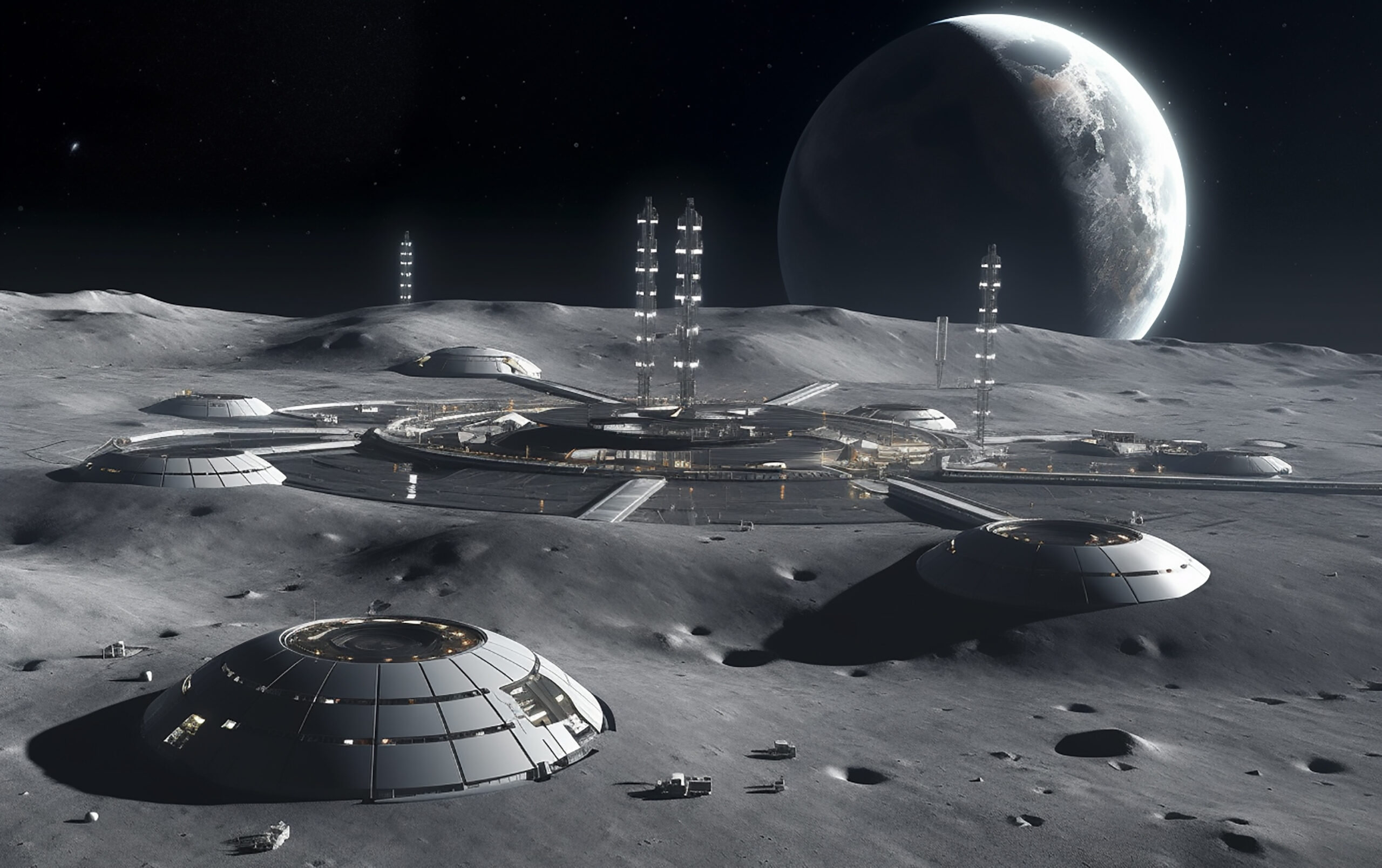
For more than a century, the UK’s Rolls-Royce have designed power systems for cars and planes, ships and submarines. Today, they are developing a novel

Engineering Matters is celebrating its fifth anniversary this week. Podcast founders Bernadette Ballantyne and Jon Young, along with the rest of the Engineering Matters team,
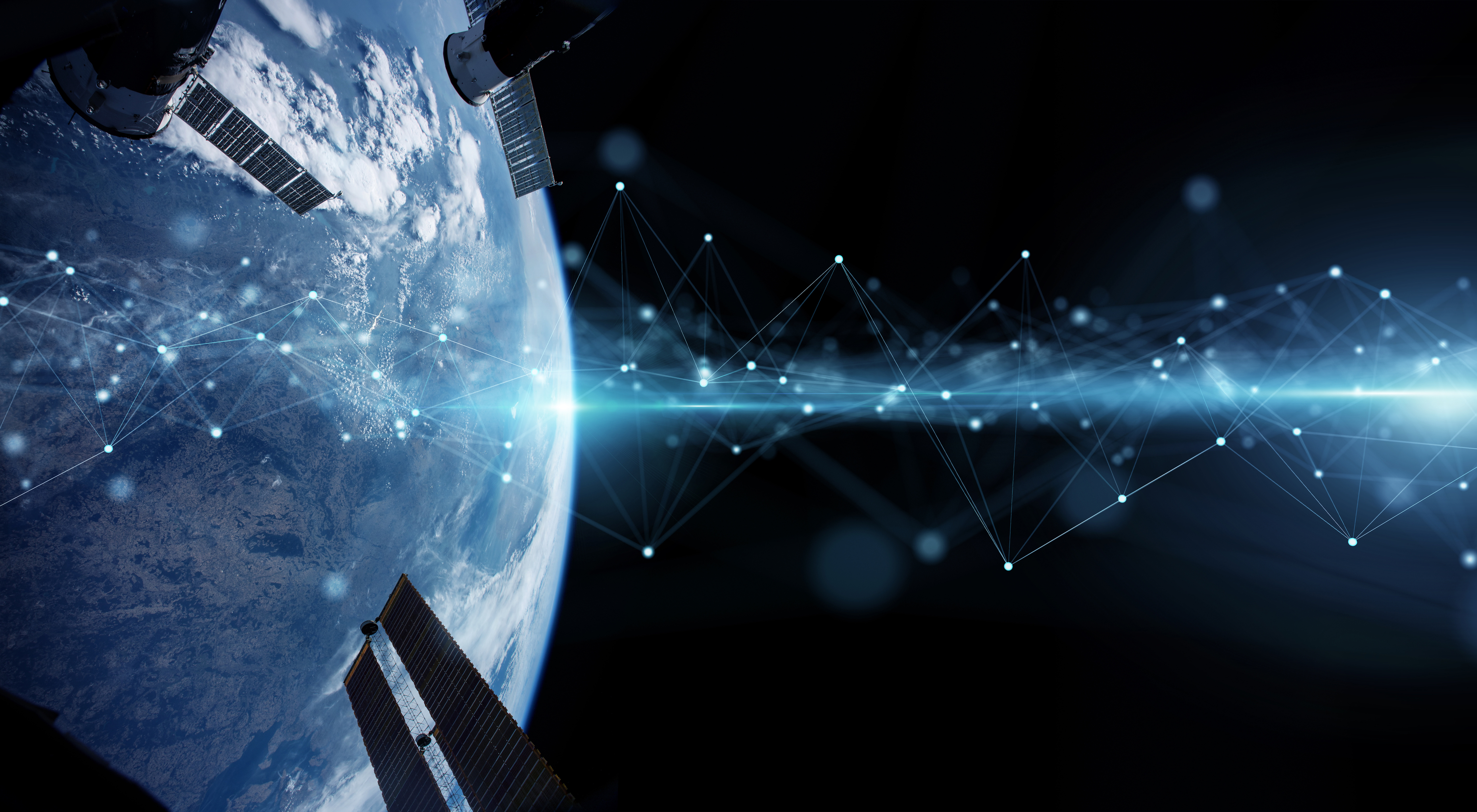
Just over a week ago, SpaceX successfully launched one of the largest rockets ever, a key step in humanity’s journey beyond the earth. While the
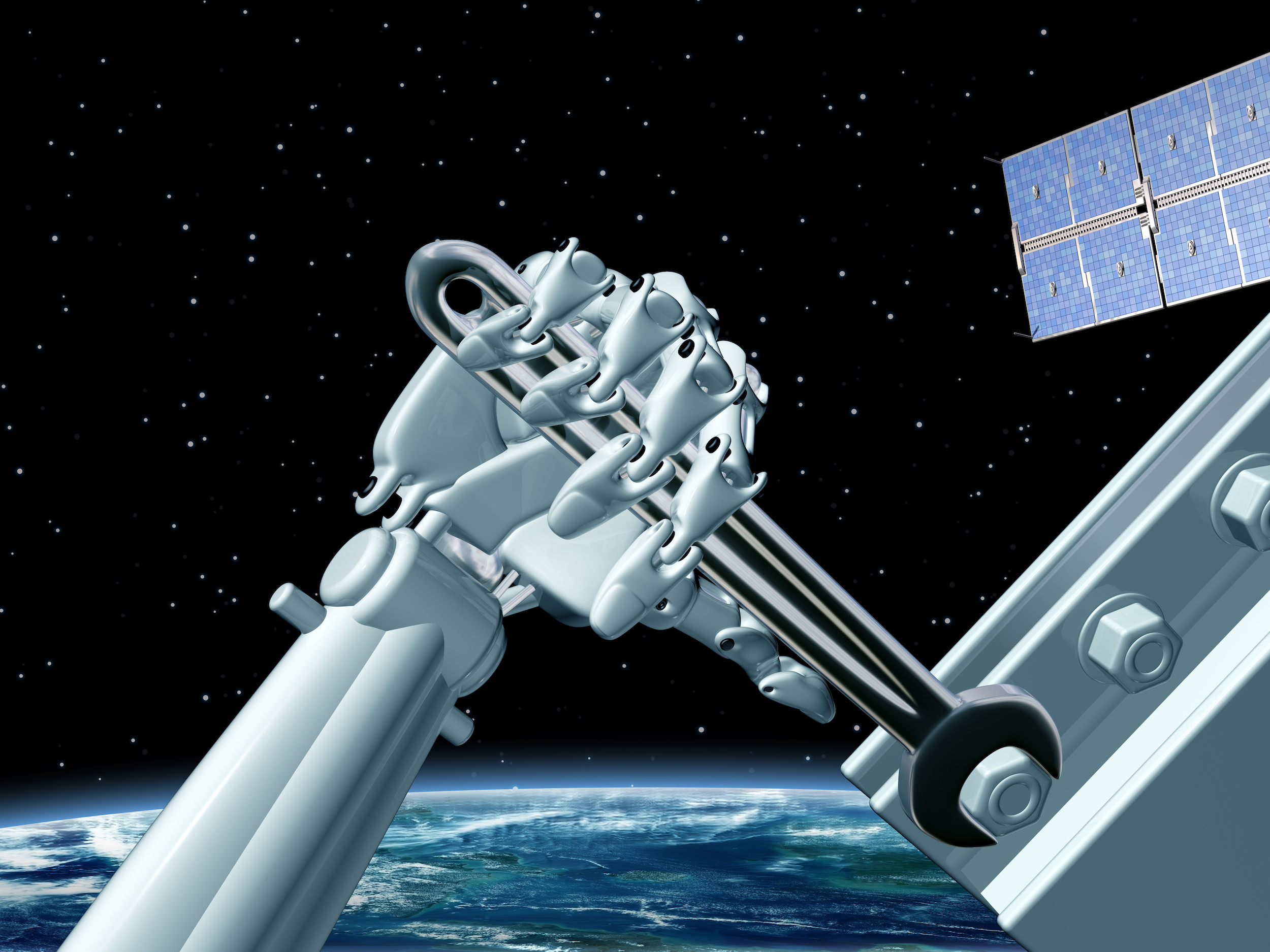
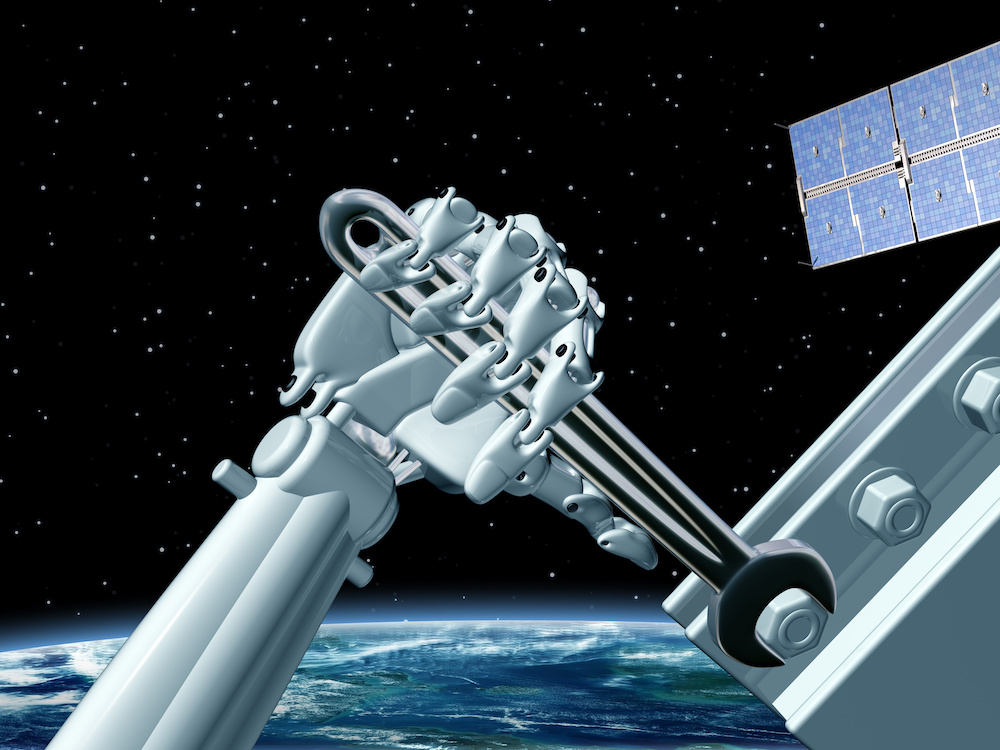
As access to space has become less expensive, companies are moving to create an in-orbit servicing and manufacturing industry. In-orbit servicing, repairing existing spacecraft and
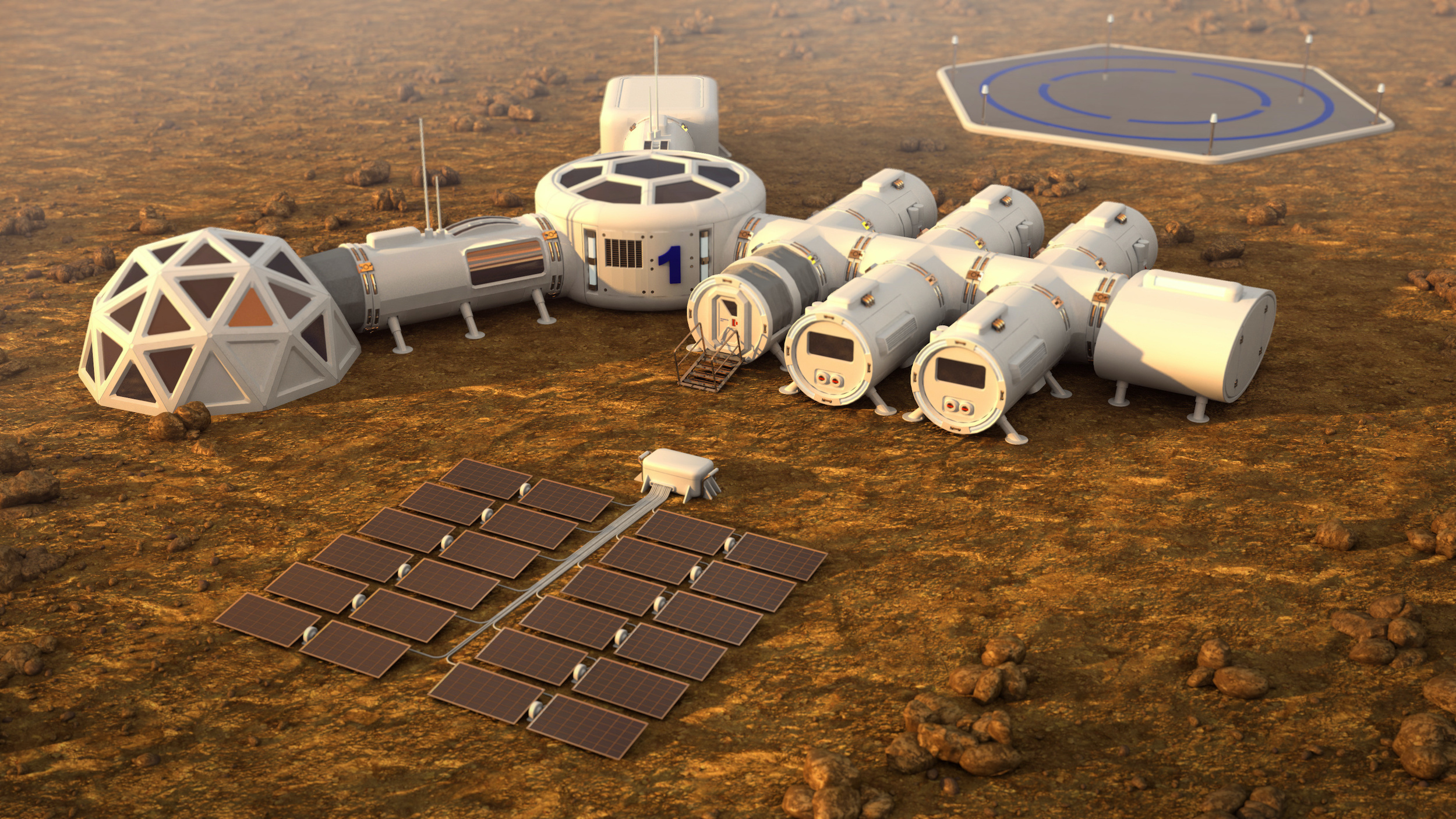
Ever since the beginning of the space age, scientists and engineers have considered the role extra-terrestrial resources could have to supporting missions of exploration and
As the regions of space around Earth become increasingly crowded with new satellites, the most popular orbits of all are becoming hazardous. Beyond a point,
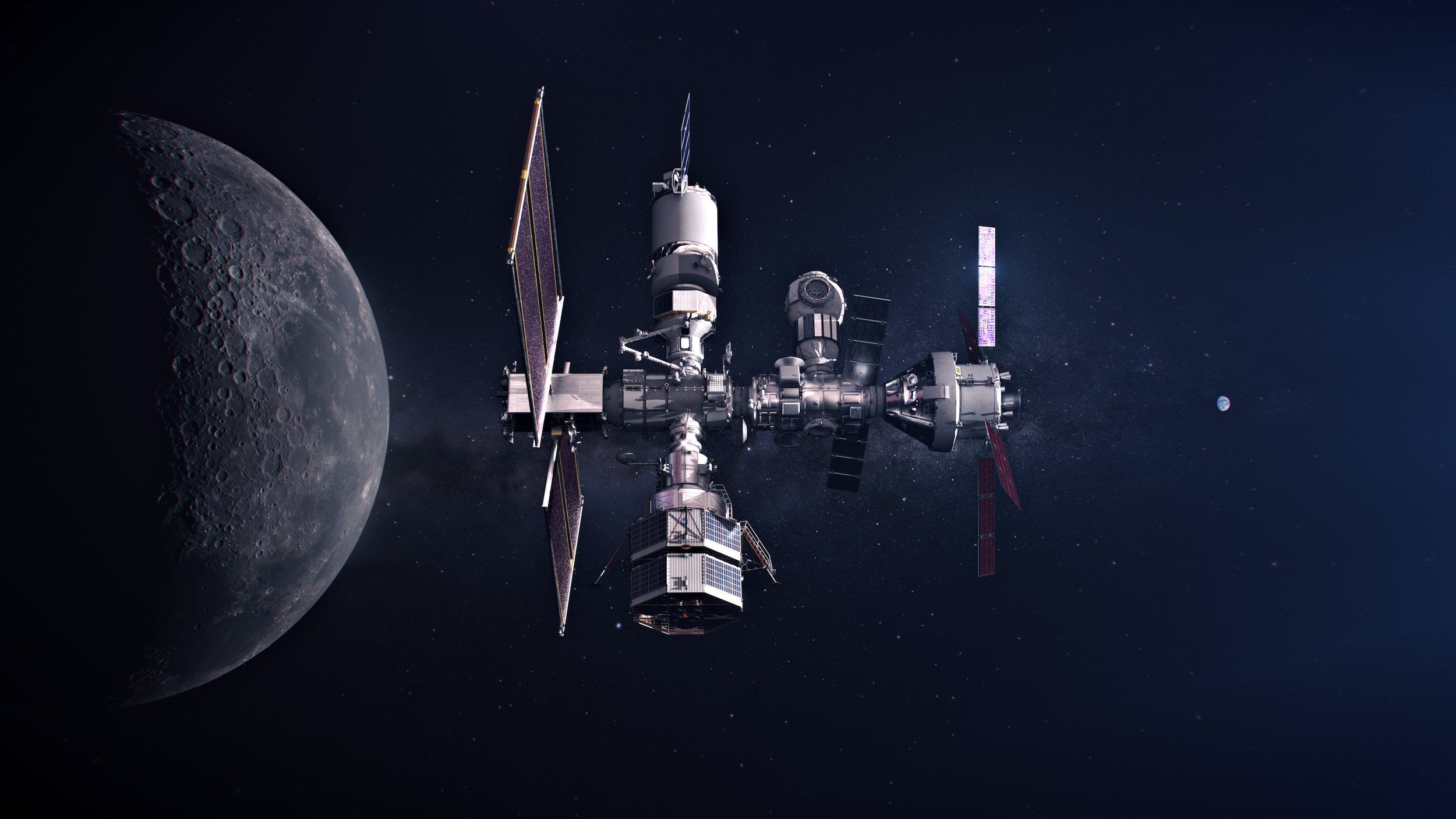
The last time a person walked on the moon was 14 December 1972. Almost 50 years ago. Since then, human operations have been confined to