Environmental
#374 Net Zero Champion – Engineering Matters Awards
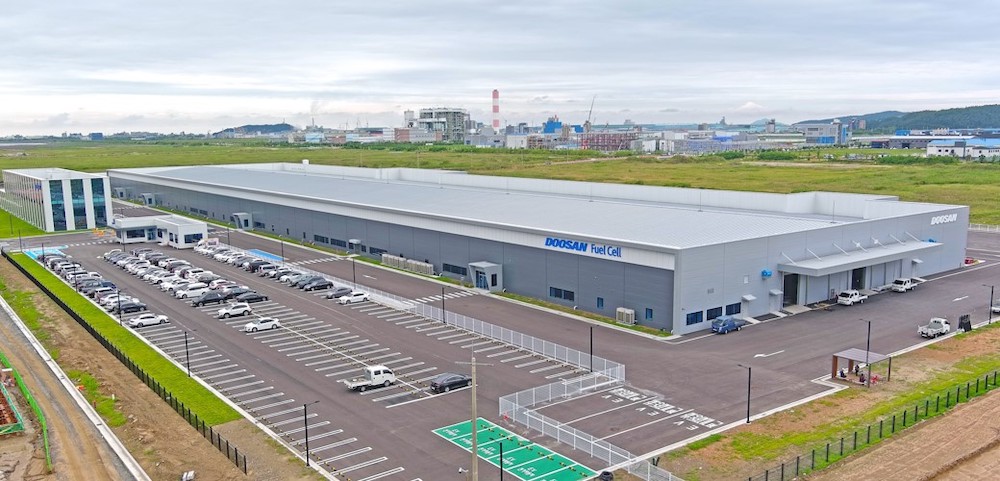
In this Engineering Matters Awards episode, we celebrate the winner of the Net Zero Champion category, which recognises projects, processes, and tools that make a

In this Engineering Matters Awards episode, we celebrate the winner of the Net Zero Champion category, which recognises projects, processes, and tools that make a
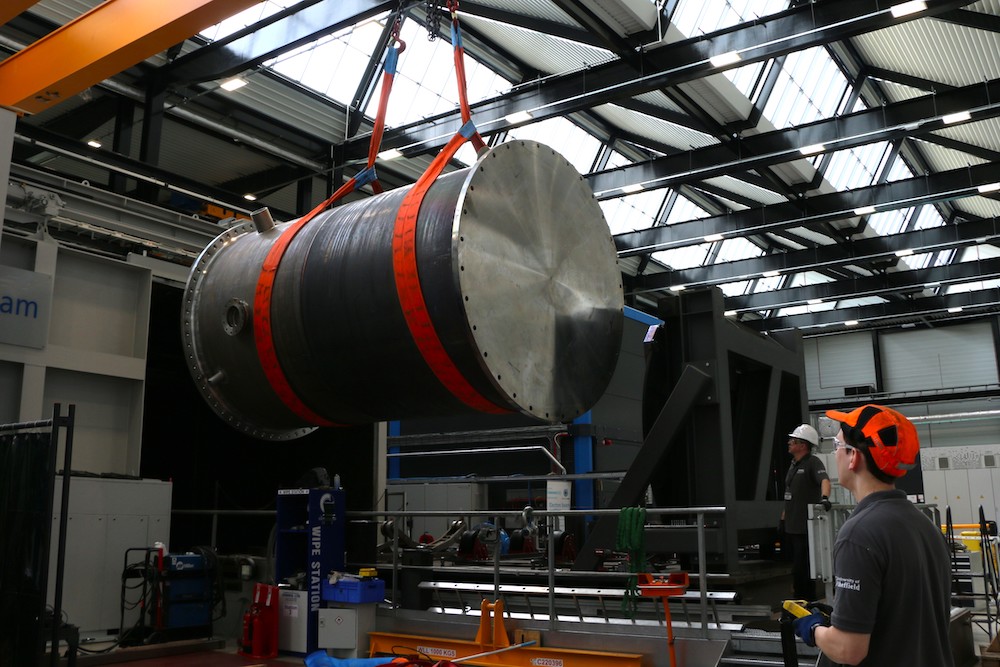
In this Engineering Matters Awards episode, we celebrate the winner of the Sustainability Champion category, which recognises organisations driving groundbreaking innovation to meet the needs
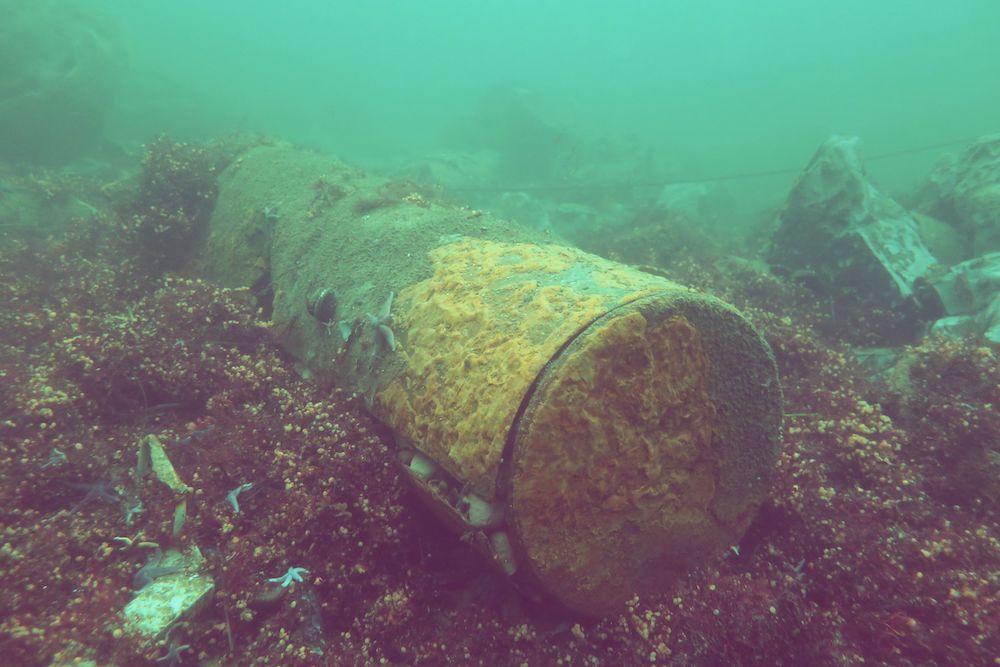
At the end of the Second World War, millions of tonnes of unwanted explosives and weapons were disposed of at sea. For decades, these dumped

For decades, infrastructure design has relied on ‘grey’ engineering: concrete flood walls, steel structures and rigid systems designed to control the environment. But with climate

In this episode, we tell the story of MERMAID from the Wildlife Conservation Society, this year’s Engineering Matters Awards Environment Gold Champion. Emily Darling, director

Around the world, engineers are working to protect the environment. In this episode, we introduce eight companies who are taking steps to safeguard the natural

Around the world, urban planners are seeking to deliver urban growth and increase access to city centres through the development of transit-oriented communities. These combine

In the 1970s, Saudi Arabia, buoyed by a surge in oil prices, embarked on an ambitious building programme. The country moved rapidly to develop its
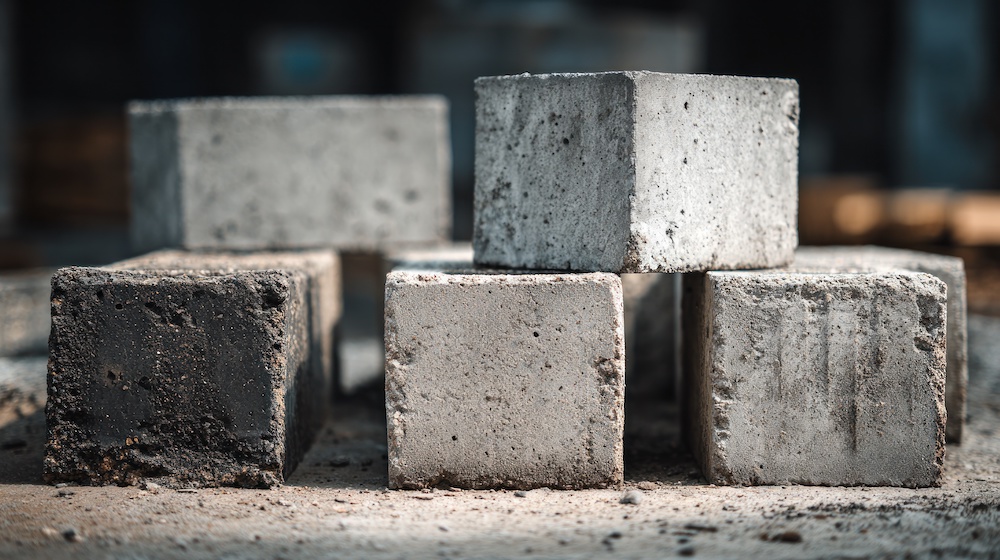
For facade specialists, stone is highly prized for its performance and character. The right choice of stone can anchor a building in its local context,

Sustainability experts often use a hierarchy to help their thinking about interventions. The best way to limit your impact is to do nothing at all.

Lifecycle carbon assessment – the process of monitoring the total carbon footprint of a structure from the first spade in the ground to demolition –
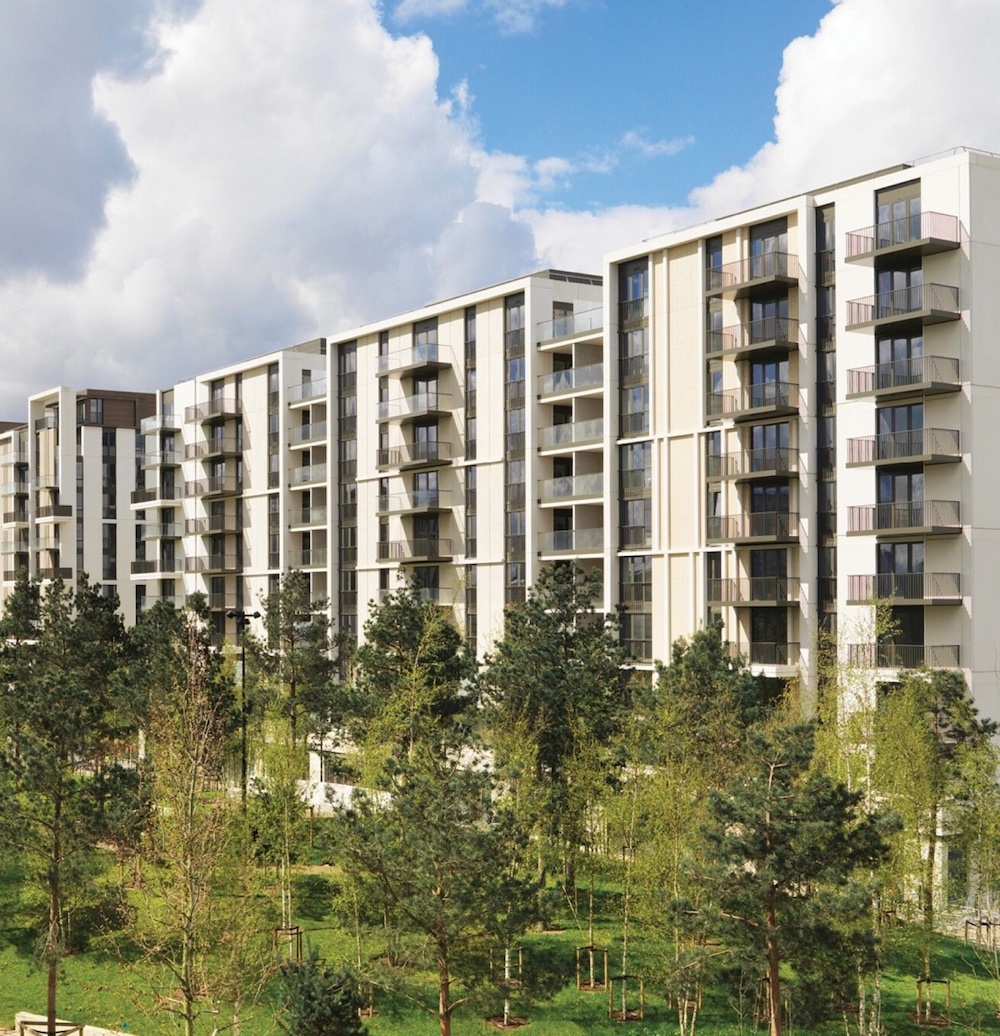
Retrofitting is an instrumental step in reducing the carbon footprint of a city’s building stock. It also extends the life of a building and has