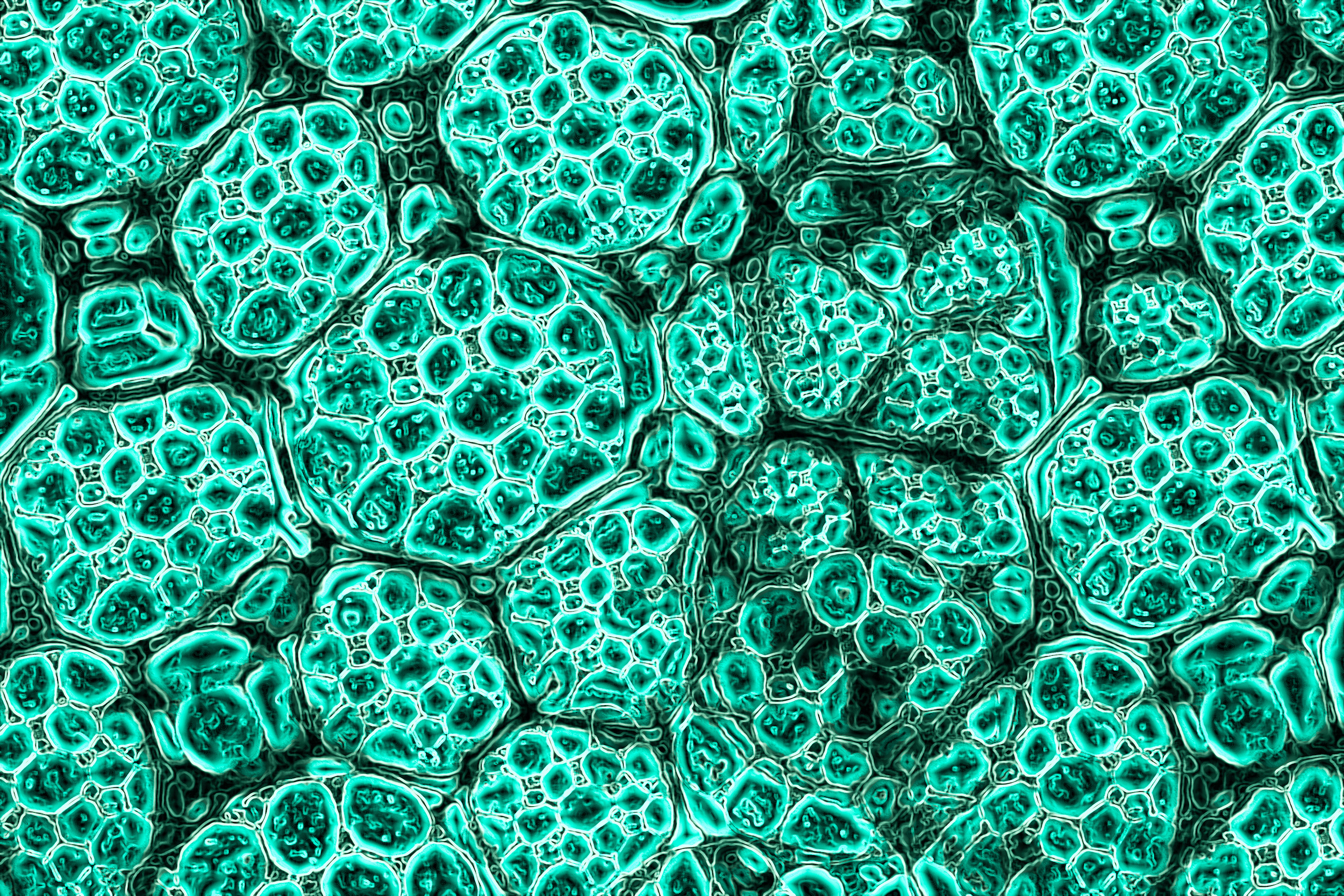

Researchers claim to have created a synthetic replacement for cartilage. The ‘tissue’ itself is a complex, 3D-printed porous lattice structure, made using liquid crystal elastomers (LCEs). These soft, multifunctional materials are known for their elasticity and extraordinary ability to dissipate high energy.
The work was undertaken by scientists and engineers at the University of Colorado Denver, and at the Southern University of Science and Technology in China.
Until now, LCEs have been tricky to manipulate. Until now, most researchers could create either large objects with minimal detail or high detail in practically microscopic structures.
However, using a 3D printing process called digital light processing, it was possible to develop a liquid crystal resin that could then be cured under ultraviolet light, forming new bonds. The cured resin formed a soft, strong, and compliant elastomer which could be printed into a honeycomb structure, which mimicked properties of cartilage.
The team’s findings were reported in Advanced Materials.