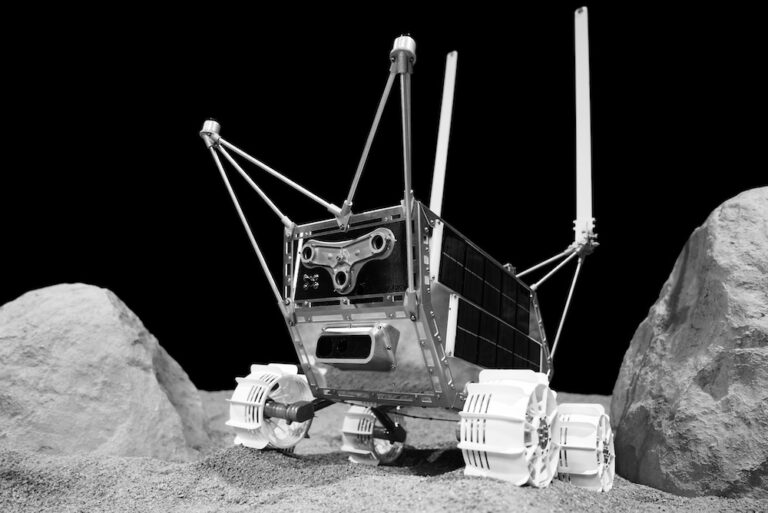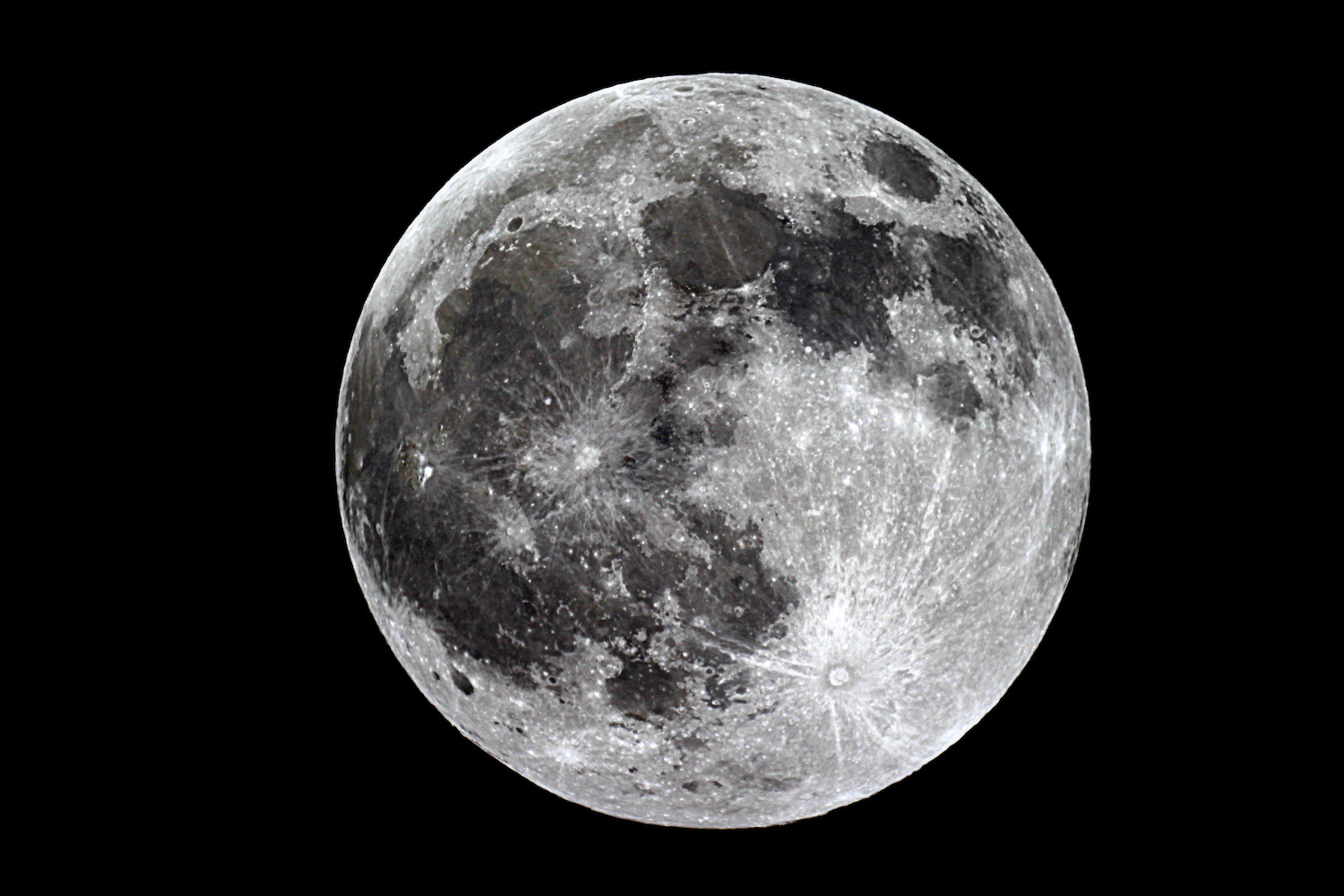

The Japanese government granted a licence to a lunar exploration company to conduct ‘business activity’ on the moon as part of its first mission.
The company Ispace was awarded a contract by Nasa in December 2020 to acquire regolith from the lunar surface to sell to the US space agency. Ispace will collect the material that accumulates at the footpad of its landing gear, then transfer ownership to Nasa. The material will not be returned to Earth.
“If Ispace transfers ownership of lunar resources to NASA in accordance with its plan, it will be the first case in the world of commercial transactions of space resources on the Moon by a private operator,” said Sanae Takaichi, Japan’s Minister of State for Space Policy.
Takeshi Hakamada, Ispace founder and CEO said, “We are very pleased to receive the first license under Japan’s Space Resources Act […] With this license, we will transfer ownership of the lunar regolith we expect to collect to NASA during our first mission.
“Commercial space resource utilisation is another step toward our goal of establishing the cislunar economy and will support NASA’s goal of a long-term presence on the Moon. The Space Resources Act is a new system, and we have had ongoing discussions with the Cabinet Office leading up to this approval. I sincerely welcome the collaboration between the public and private sectors to advance the exploration and development of space resources.”