
An industry report concluded that tidal stream energy could fall below £80/MWh by 2035. This would be a significant improvement on the current price of £260/MWh. Tidal stream energy is advantageous because it is renewable and reliable.
The Cost Reduction Pathway of Tidal Stream Energy in the UK and France report was produced by the British state-owned Offshore Renewable Energy (ORE) Catapult. It found that larger tidal energy devices would be necessary for these improvements, while moving to piled foundations and anchors for fixed bottom and floating devices respectively would also deliver cost savings. It concluded that an eventual price of £50/MWh could be achieved by 2047.
The report suggested that 877MW could be deployed in the UK by 2035, in agreement with the Marine Energy Council’s request for the UK Government to commit to 1GW of marine energy deployment by 2035.
Simon Cheeseman, sector lead for wave and tidal energy at ORE Catapult said, “This report presents a cost reduction trajectory for the tidal stream energy industry and an effective way to track progress over the next 15 years. It allows technology providers, policymakers, and investors to see how the industry has evolved, and how tidal stream can make a significant contribution to energy security in the future. The sector has never been stronger and the roll out of tidal stream energy is a huge opportunity we must capitalise on.”
Caroline Lourie, Technical Manager, at the European Marine Energy Centre (EMEC) said, “The UK remains the most attractive global market for tidal stream energy, with over 10 GW potential. In 2021, £20 million a year was ring-fenced for the sector through the UK Government’s Contracts for Difference scheme; an important endorsement of the industry. However, to drive down costs so that tidal energy is competitive with other renewables, a huge ramp up of installed capacity will be needed over the next decade. For this to happen, we need long-term policy support and continued ring-fenced funding.”
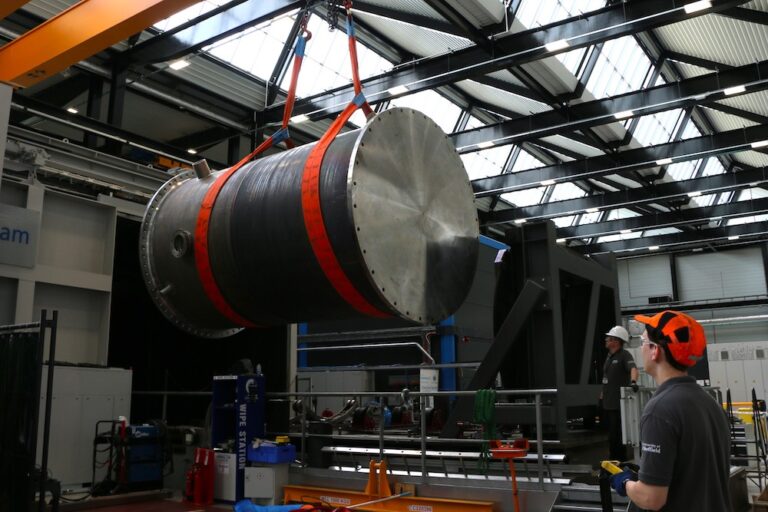
Photo credit: Orbital Marine Power