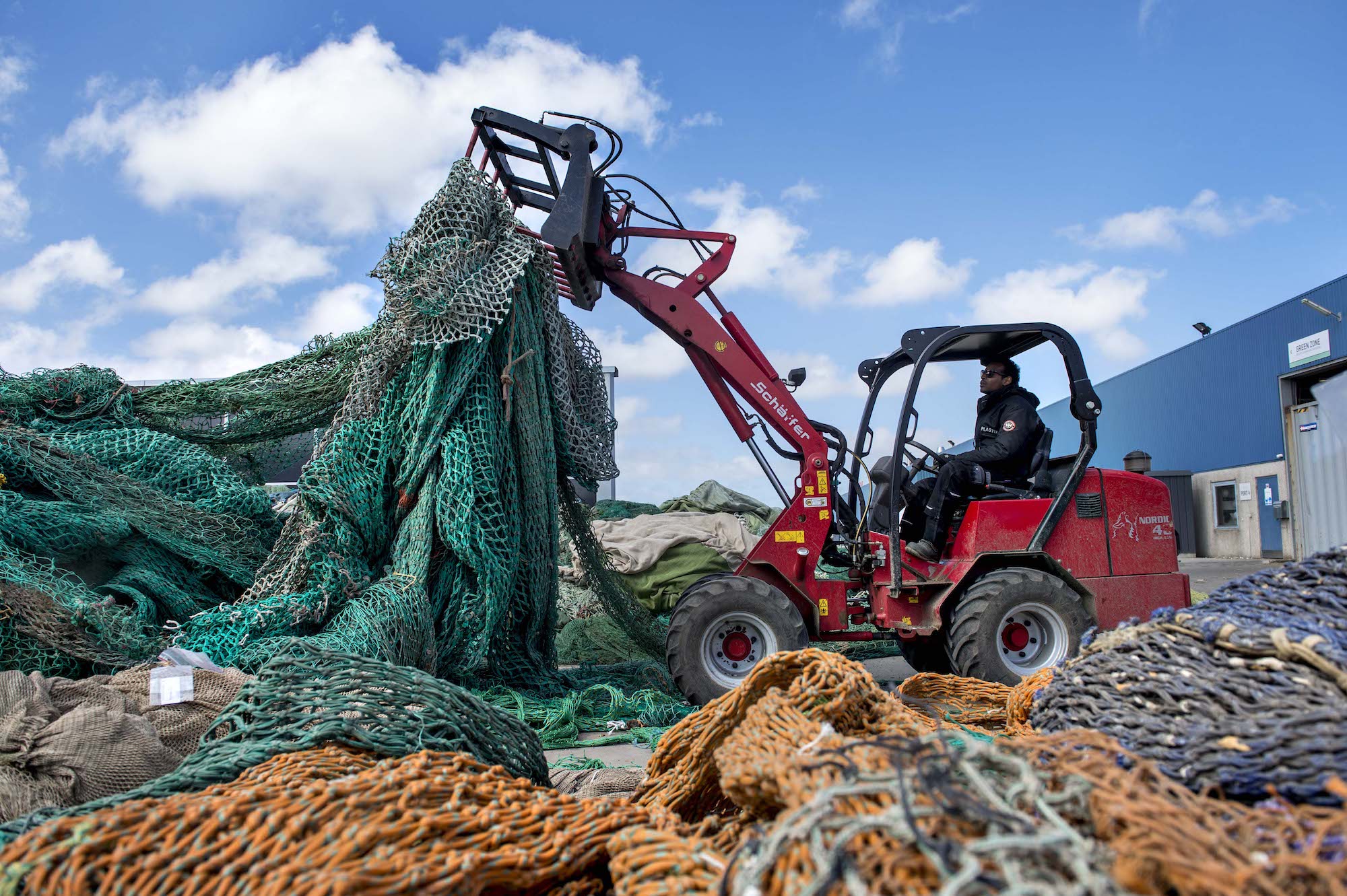

A German car giant has partnered with a plastics specialist to develop car parts from waste fishing nets. The project aims to reduce the number of nets and other maritime components being dumped at sea.
Manufacturer BMW has partnered with Danish company Plastix to develop the car parts. The recycled materials are primarily sourced from maritime components, such as fishing nets, but also derive from floor coverings and plastic production waste.
The global drive for a reduction in greenhouse gas emissions needs a holistic approach for all industries, automotive being an example of this, according to BMW. Alongside the push for clean energy, car manufacturers are trying to reduce the environmental impacts making the vehicle.
Some 50 per cent of a typical car is made from plastic. BMW plans for its new models, launching 2025 onwards, to feature trim parts made from 30% recycled fishing nets and ropes. The car maker is working with ports worldwide to source the plastic before it is sent to landfill or dumped at sea.
This project will reduce the need for petroleum-based plastic use and will reportedly reduce the carbon footprint of the trim components by 25%.
Plastic recycling specialist Plastix turns the fishing nets and ropes into plastic granules. These granules can then be used in injection moulding. Previous rope recycling efforts have been limited to repurposing them as fibre only, according to BMW. BMW said it plans to increase its use of secondary materials from the current roughly 20% to approximately 40% by 2030.