
Researchers in the US have developed method for computer learning to improve haptic technology. The team from the University of Southern California’s Viterbi School of Engineering claims the model learns from human interaction using a preference-driven model.
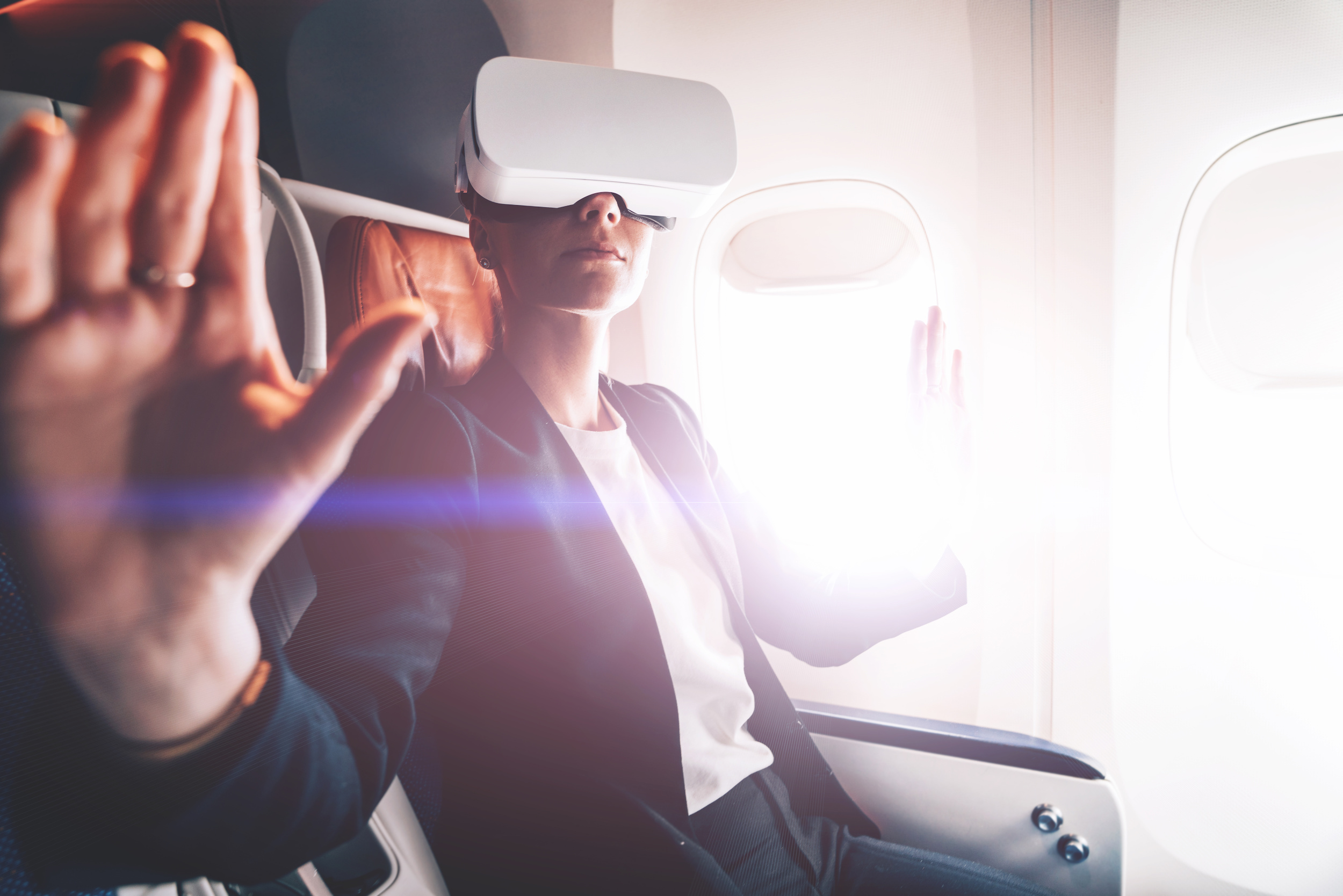
Seen in devices such as mobile phones and gaming consoles, haptic feedback is the use of touch for communication, typically these manifests as vibrations to imitate a response. Haptic technologies are those that simulate tactile sensations, producing extremely specific vibrations to mimic the sense of touch.
Should realistic textures be achievable, haptic technology could also be used for training dentists or surgeons. These textures require accuracy to feel the most realistic to the person undergoing the training, breeding subjectivity as to the realism of the experience and providing greater immersion for the user.
Shihan Lu, one of the Ph.D. students involved in the project, explains, “surgical training is definitely a huge area that requires very realistic textures and tactile feedback […] fashion design also requires a lot of precision in texture in development before they go and fabricate it.”
The team believes its technology can assist in improving the virtual textures with influence from the human ability to distinguish details of certain textures. The process goes as follows: the user is given a real texture, next the technology observes variables to randomly generate three virtual textures, the user chooses the one that feels the most realistic and the process repeats. By adjusting the distribution of the earlier variables, the virtual texture updates to match the real one as best it can.
Lu gives the example of seeing the image of a table and being able to imagine how it will feel to the touch. They explain, “using this prior knowledge we have of the surface, you can just provide visual feedback to the users, and it allows them to choose what it matches.”