
Researchers at the Audi Environmental Foundation have developed a less invasive method of mining using microorganisms. In initial trials the company worked to separate and enrich indium and germanium, metals needed for high-end electronic products.
The procedure is known as in-situ bioleaching. Workers drill small holes in an ore vein and, utilising microorganisms that are already present, dissolve the raw materials to be extracted. The liquid solution can then be re-solidified into the desired elements through a two-stage membrane treatment.
A spokesperson for Audi said, “The aim is to extract high-tech elements from ores without destroying the natural environment through large-scale drilling and blasting. In contrast to conventional ore mining, microinvasive methods similar to modern surgical practices are used here. This has several advantages: No heavy machinery, much less energy, and fewer chemicals are used, and there is also no damage to the landscape.”
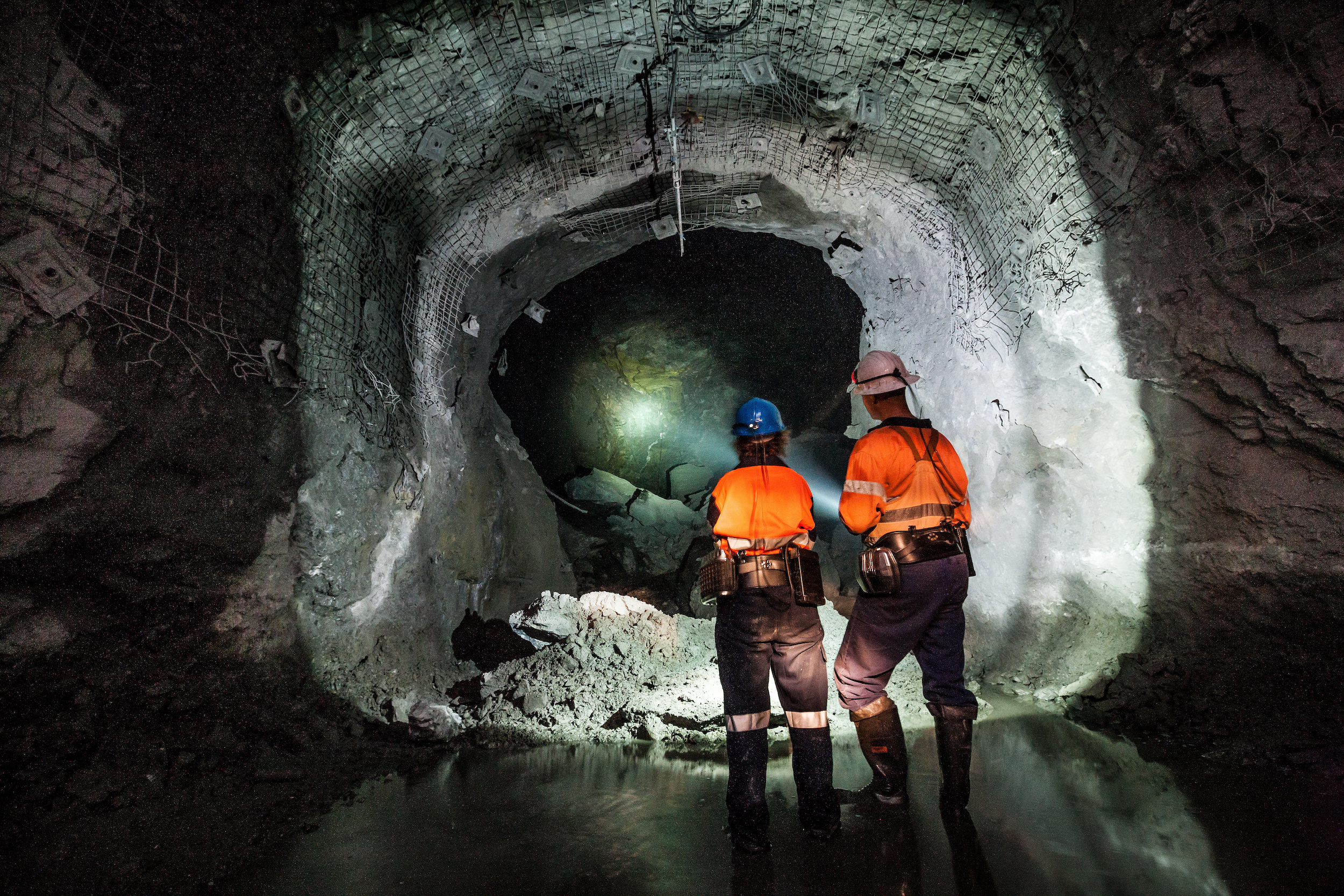
After developing the solution in the laboratory, the researchers conducted tests underground. The team applied adverse conditions such as acidic water, more than 90% humidity and the increased pressure that comes with being 147m underground. The tests were deemed successful, and the team hope to use this technology to extract other elements.
The spokesperson added, “The process is especially suitable for the extraction of valuable elements both from low-grade ores with a low concentration of valuable materials and from secondary raw materials well as for use at existing mining sites using the infrastructure that is already in place.”