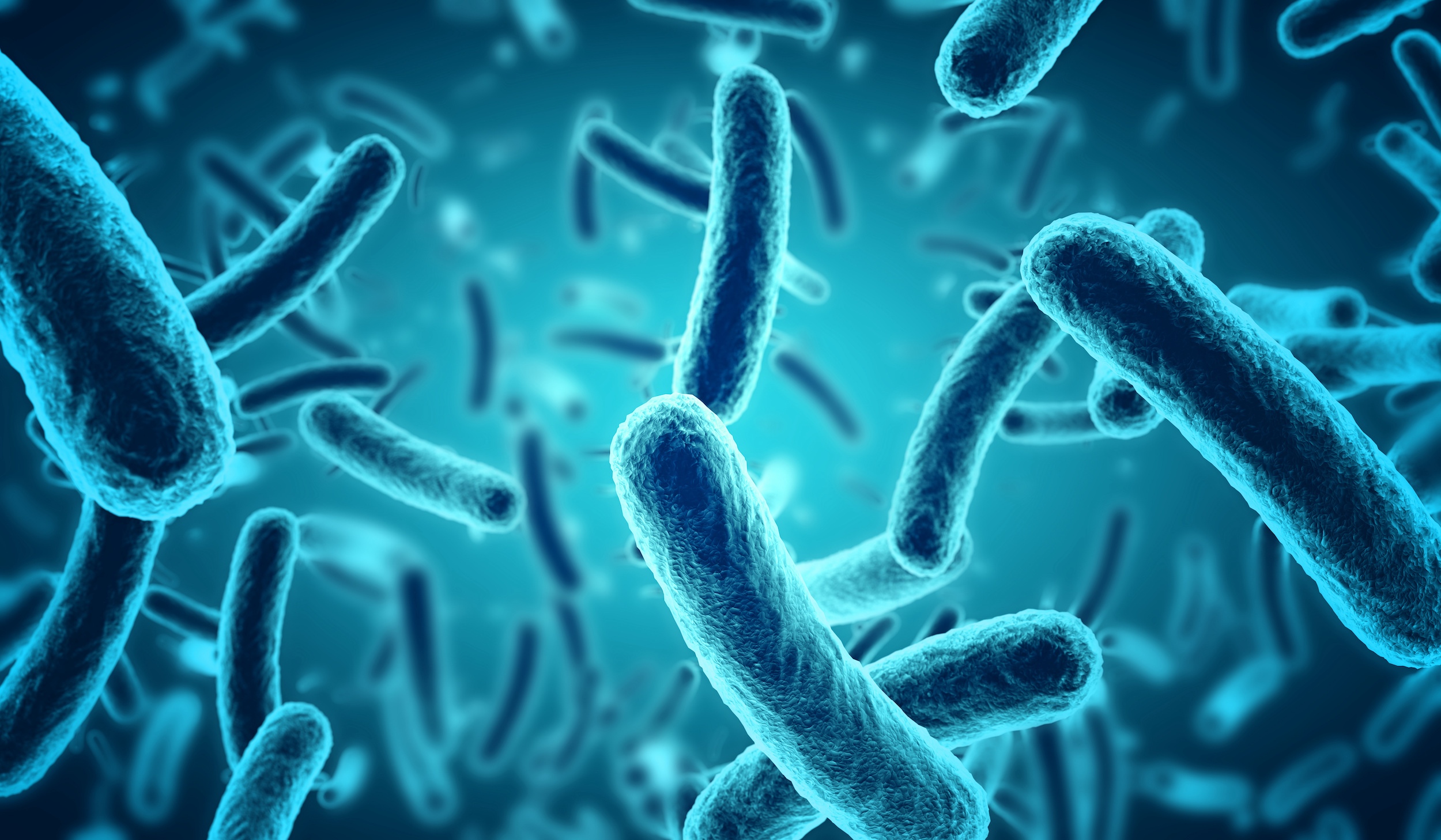

Microbiologists at the Goethe University Frankfurt have created a biobattery using bacteria to store and release hydrogen in a controlled way.
The team found an enzyme in a bacterium, called acetogenic bacteria, that lives in the absence of air, this enzyme binds hydrogen to CO2 which produces formic acid. The researchers then discovered this process is reversible which is a crucial requirement for hydrogen storage.
Hydrogen has the potential to be a replacement, carbon neutral energy source, however transporting and storing the highly explosive gas remains difficult and won’t be a viable solution without a chemical or biological solution.
Acetogenic bacteria live in the deep sea and feed of CO2 and the formic acid is produced as a by-product as they metabolise the carbon dioxide. The team of microbiologists were able to stop the process at the formic acid stage but also reverse it so hydrogen can be produced from the formic acid.
“Unlike chemical catalysts, the bacteria do not require rare metals or extreme conditions for the reaction, such as high temperatures and high pressures,” leader of the team, Professor Volker Müller said.
Fabian Schwarz a member of the team has also created a bioreactor, after leaving the hydrogen fed bacteria in the reactor of 16 hours they had released the hydrogen and without the formation of the unwanted acetic acid.
“The system ran extremely stably for at least two weeks,” Schwarz explained.