
A.P. Moller – Maersk has announced a minority investment in a Dutch start-up focused on developing liquid lignin technology which can be used as a marine fuel, according to gCaptain.
Maersk’s investment in Vertoro, made through its Maersk Growth division, will help the start-up further develop and commercialize its patented lignin technology and enable it to build a demo plant, which will become operational in 2022. The output of this plant will be used to develop marine fuels in partnership with Maersk, as well as other applications for the materials and chemicals markets.
The minority investment supports A.P. Moller – Maersk’s work to decarbonise marine operations. Maersk expects several fuel types to exist alongside each other in the future and has identified four potential fuel pathways to decarbonisation: biodiesel, alcohols, ammonia, and lignin-enhanced alcohols. Lignin is a class of complex organic polymers which form key structural materials in the support tissues of most plants.
Lignin fuels have a promising potential when it comes to decarbonising shipping. We consider Vertoro to be a leading start-up in the sustainable biomass-to-liquids space and we are excited to invest in the company and become part of the efforts to effectively scale up production of green fuels. Furthermore, we believe that we can offer value beyond capital through the expertise and scale of the broader Maersk organisation.
The investment is the latest development in Maersk’s quest to becoming carbon neutral by 2050. The shipping giant recently announced a total of nine vessels capable of running on green methanol.
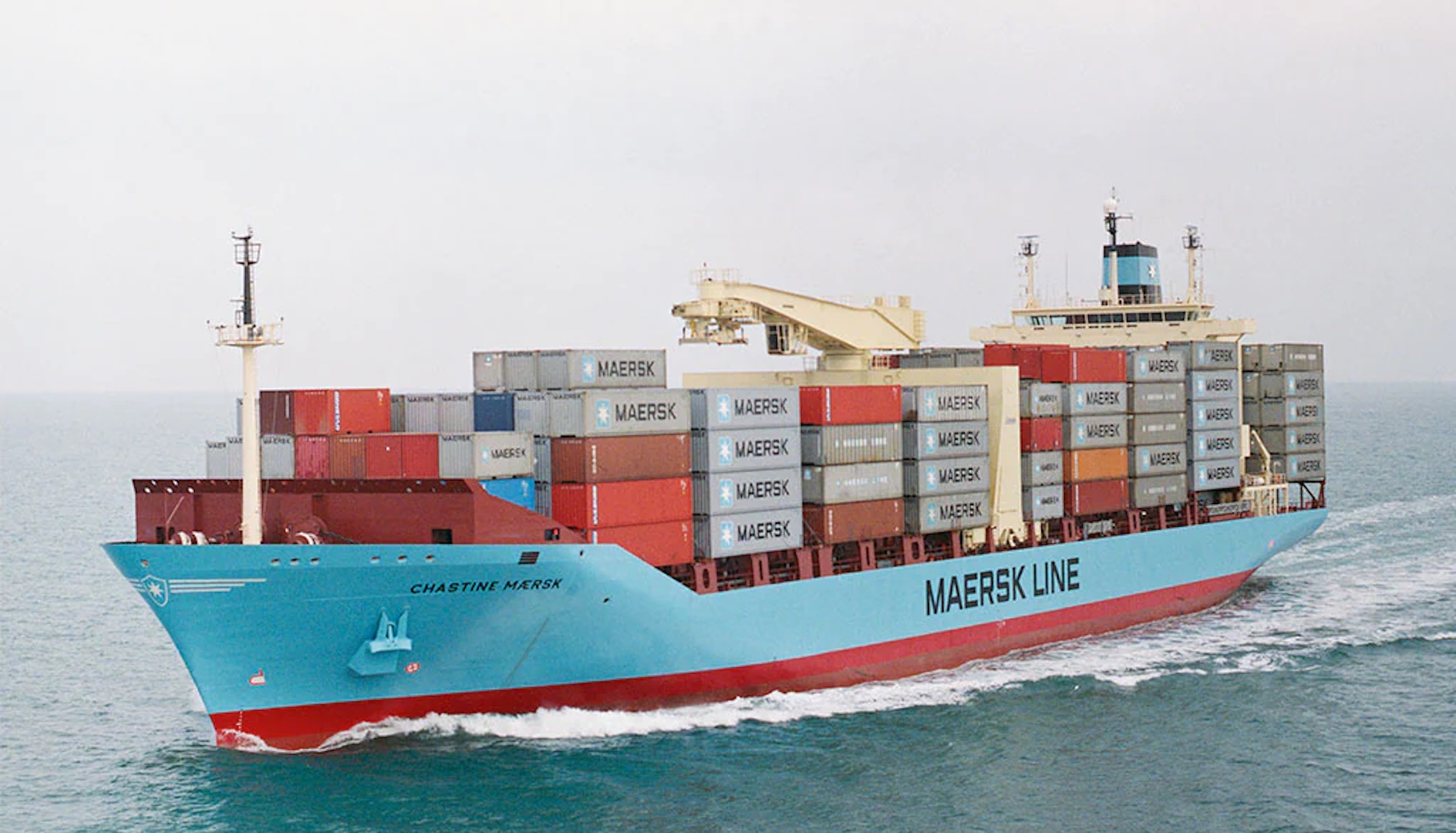
A.P. Moller-Maersk is the world’s largest integrated shipping company with a total capacity of 4.1m TEU. It operates a fleet of 708 vessels including 307 own container vessels and 401 chartered container vessels as of December 2019.