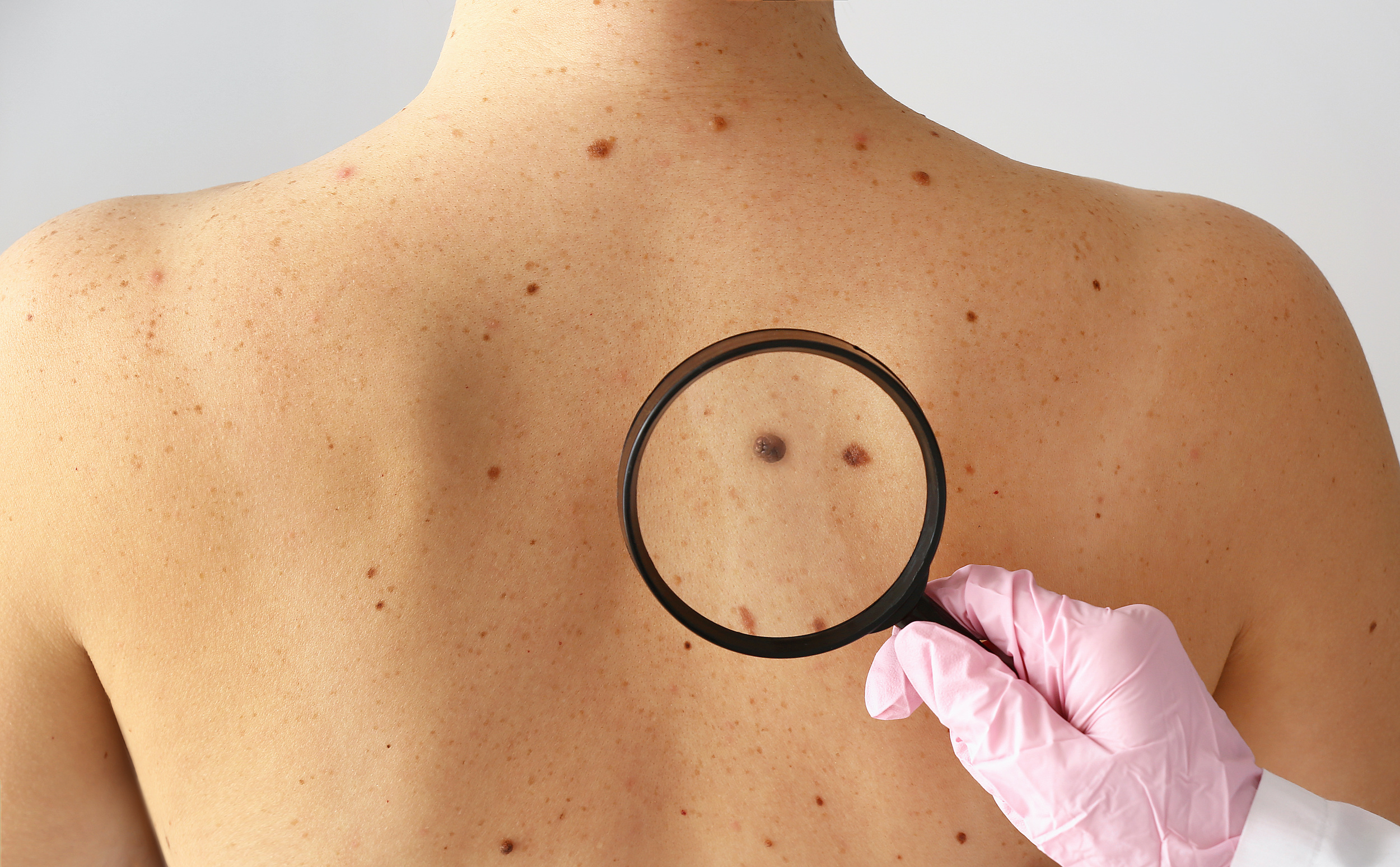

A system has been developed that is able to detect early signs of melanoma with high accuracy.
Melanoma is an extremely deadly form of skin cancer. However, a team of researchers from the Wyss Institute for Biologically Inspired Engineering at Harvard University and the Massachusetts Institute of Technology (MIT) have produced a system that can pinpoint suspicious pigmented lesions (SPLs) at an early stage, which has the potential to save lives.
According to the Wyss Institute, the team adopted the ‘ugly duckling’ criteria into their system, which is where lesions on a patient are compared to one another to find out whether there are signs of the disease on the skin.
For the system to succeed, a trio of dermatologists analysed 135 wide-field photos of SPLs from 68 patients. Each lesion was given an ‘oddness’ score, signifying how distressing it looked. The algorithm assessed and graded the same images, with it agreeing with the consensus of the dermatologists 88% of the time.
“We essentially provide a well-defined mathematical proxy for the deep intuition a dermatologist relies on when determining whether a skin lesion is suspicious enough to warrant closer examination,” said Luis Soensken, who is the first author of the study.
“This innovation allows photos of patients’ skin to be quickly analyzed to identify lesions that should be evaluated by a dermatologist, allowing effective screening for melanoma at the population level.”
The team are now aiming to fine-tune the system to perform at such a level across a full spectrum of human skin tones.