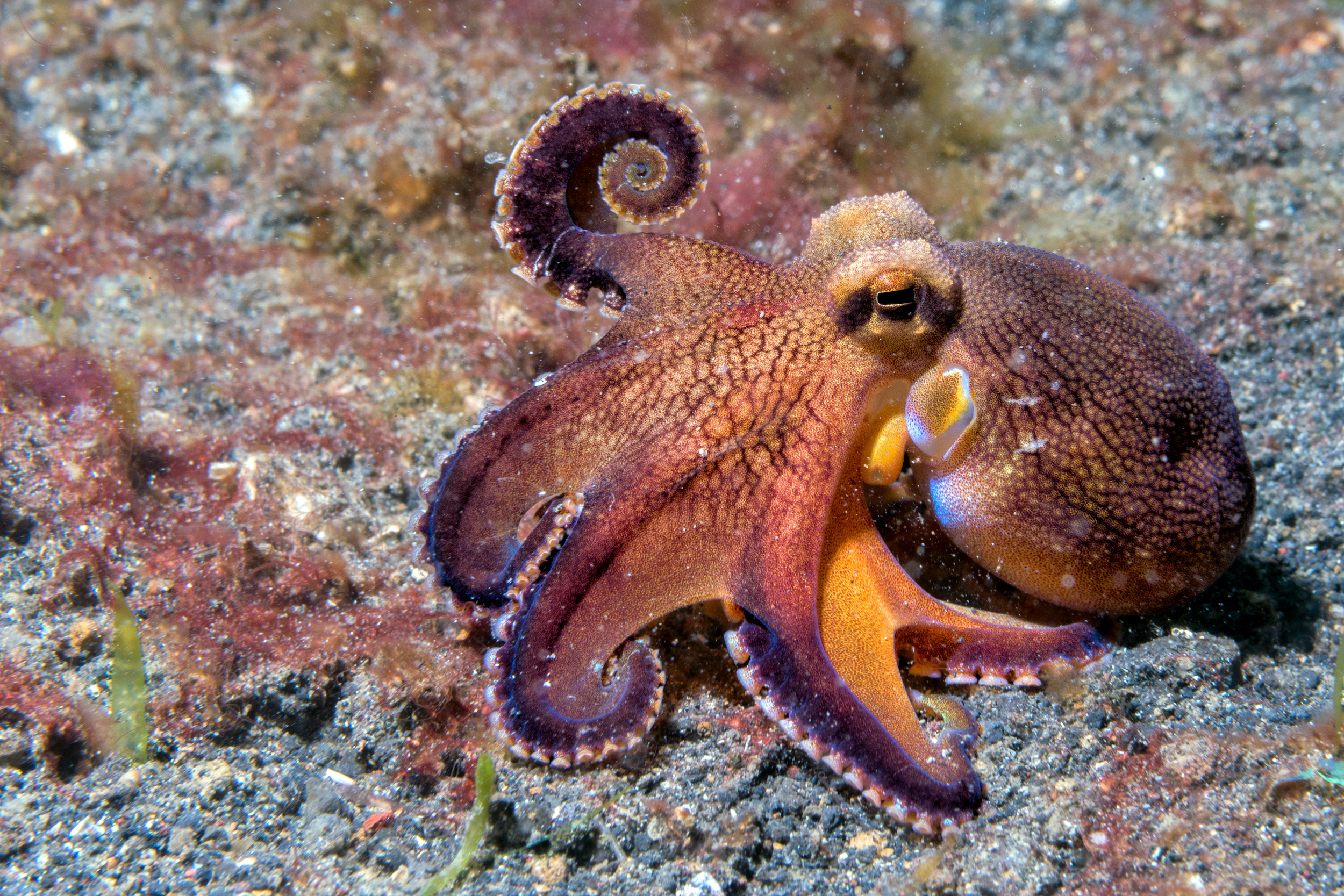

Engineers at Rutgers University in the US have developed a smart gel inspired by cephalopods.
This innovation is claimed to have the ability to change shape when it senses light according to an article on The Engineer. These abilities replicate those of a cephalopod such as an octopus or squid when they alter their colour or skin texture when communicating or applying camouflage.
The team have formulated the gel into what they have called an ‘artificial muscle’ that is able to contract to changes in light thanks to the integration of a light-sensing nanomaterial within the gel. In addition, the gel is further able to replicate a cephalopod by changing its colour.
Smart gel can be also known as hydrogel. Hydrogels can be found in contact lenses and nappies. It is hoped that this innovation will enhance electronic displays in the future.
“Electronic displays are everywhere and despite remarkable advances, such as becoming thinner, larger and brighter, they’re based on rigid materials, limiting the shapes they can take and how they interface with 3D surfaces,” said Howon Lee, who is an assistant professor in the Department of Mechanical and Aerospace Engineering in the School of Engineering at Rutgers.
“Our research supports a new engineering approach featuring camouflage that can be added to soft materials and create flexible, colourful displays.”
Further improvements for the gel are now being explored. These include improving its response time, sensitivity and durability.