
A group of researchers have produced a device that is able to grow human bone tissue.
With this breakthrough, it is claimed that the bone-on-a-chip device has the ability to aid study into bone-related diseases. This technology is also believed to be an advancement that could lessen the need for animal testing within medical research.
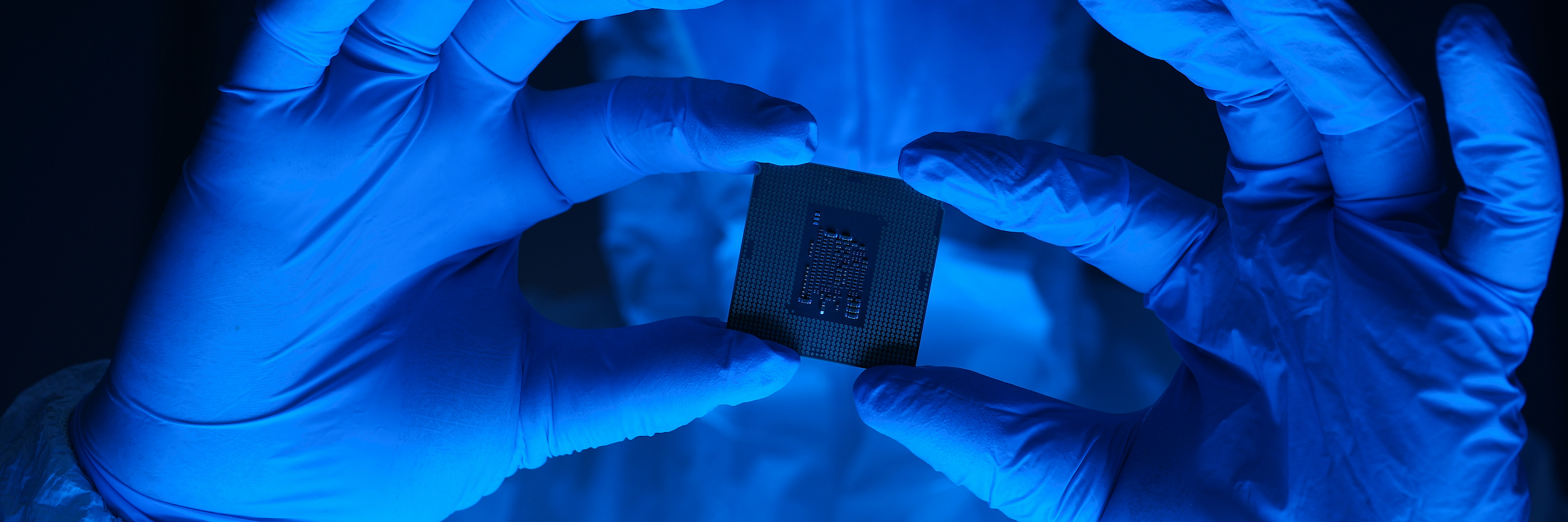
According to a paper published in Frontiers in Bioengineering and Biotechnology, the device is said to contain living cells and is approximately the size of a £1 coin.
This research – which has been led by Sheffield University’s Department of Materials Science and Engineering and the Insigneo Institute for in silico Medicine – will now act as a springboard for the researchers to develop organ-on-a-chip devices also.
“This is, in my view, a great enabling technology to build complex 3D tissues – or organs-on-a-chip – as testing platforms for pharmaceutical testing.”, says Dr Frederik Claeyssens, who is a Reader in Biomaterials from the Sheffield University’s Department of Materials Science and Engineering,
“The introduction of microfluidic channels in a porous material allows us to mimic the natural 3D environment of cells better than in standard microfluidics.”