
Engineers working at MIT have produced a wide-angle lens that is also flat. To capture panoramic views, cameras typically need to use lenses made from layers of curved glass to produce a wider image that looks like a bubble.
In a statement, MIT said that the new flat wide-angle lens is a type of “metalens,” a wafer-thin material patterned with microscopic features that work together to manipulate light in a specific way.
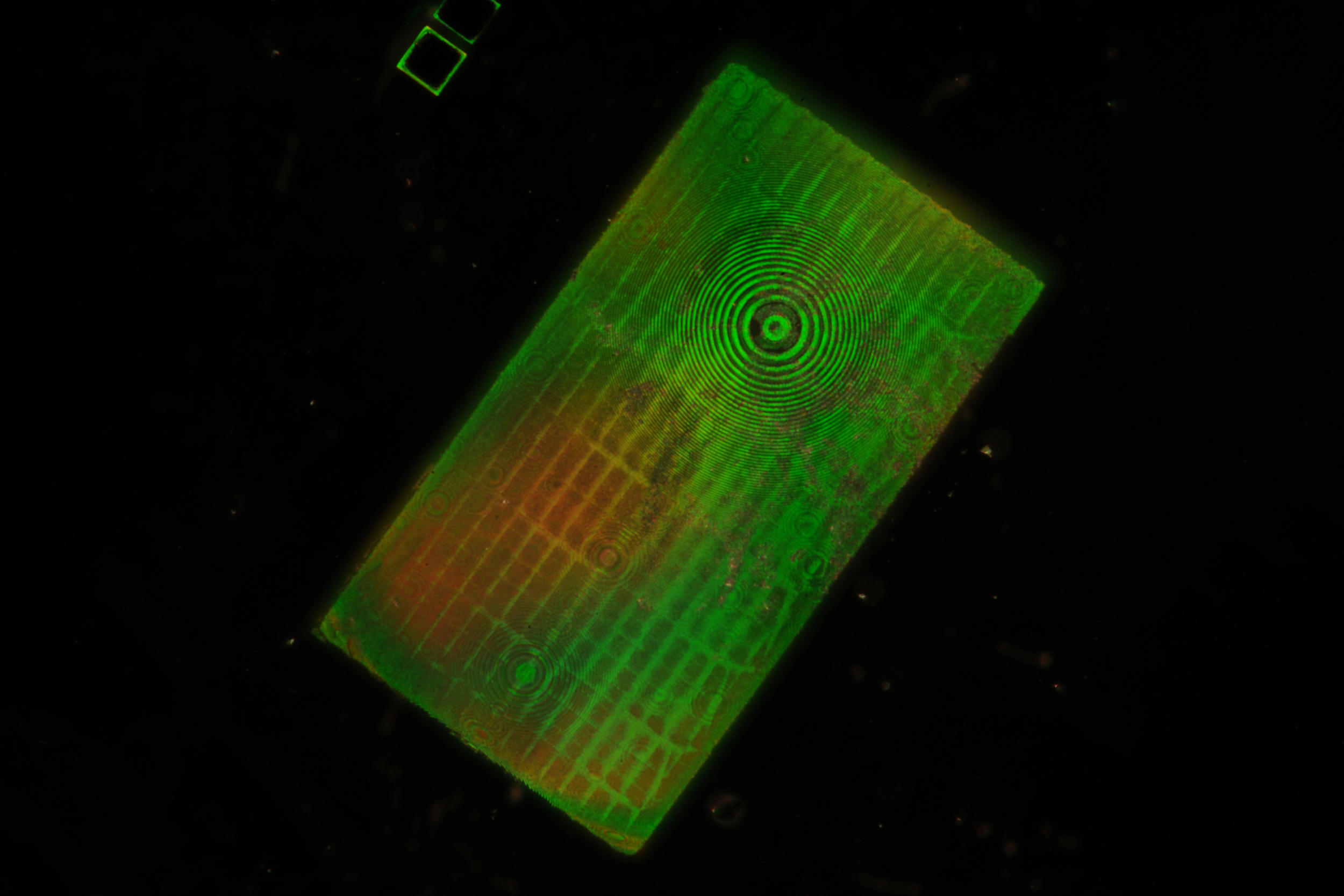
A spokesperson for MIT said, “In this case, the new fisheye lens consists of a single flat, millimeter-thin piece of glass covered on one side with tiny structures that precisely scatter incoming light to produce panoramic images, just as a conventional curved, multielement fisheye lens assembly would. The lens works in the infrared part of the spectrum, but the researchers say it could be modified to capture images using visible light as well.
“The new design could potentially be adapted for a range of applications, with thin, ultra-wide-angle lenses built directly into smartphones and laptops, rather than physically attached as bulky add-ons. The low-profile lenses might also be integrated into medical imaging devices such as endoscopes, as well as in virtual reality glasses, wearable electronics, and other computer vision devices.”