
Tokamak Energy has announced the breakthrough design of cryogenic, or very low temperature, power electronics technology for the high-efficiency operation of its superconducting magnets. This, claims the company, will result in reduced costs of future fusion power plants – which is key to commercialising and scaling the technology.
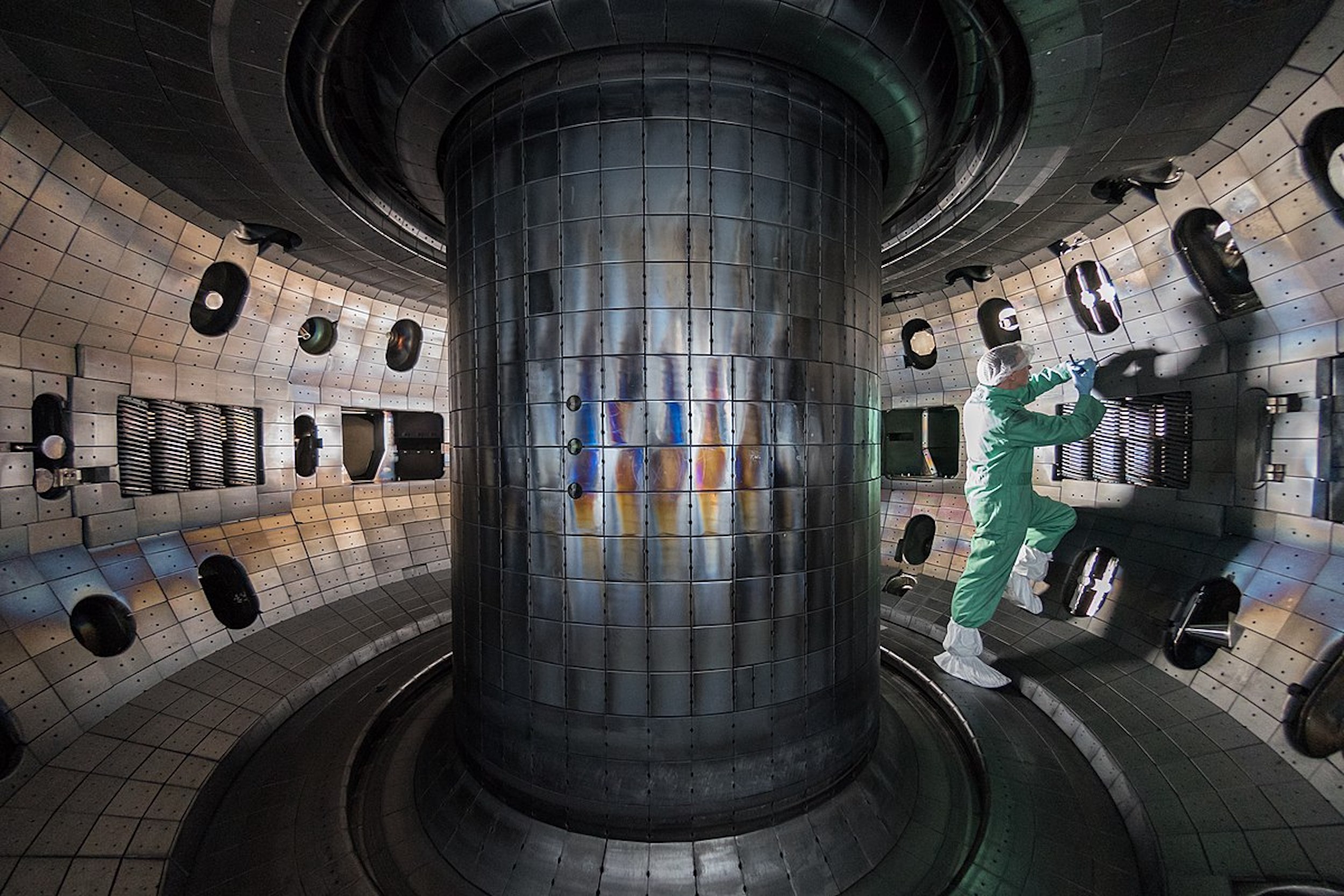
The use of superconducting magnets in tokamak reactors, like the one under development by Tokamak Energy, is required to concentrate and isolate plasma so that it can reach the incredible temperatures needed for nuclear fusion. Cryogenic cooling is one of the numerous energy issues for such a system. This new approach uses a higher-efficiency power converter within a vacuum cryostat.
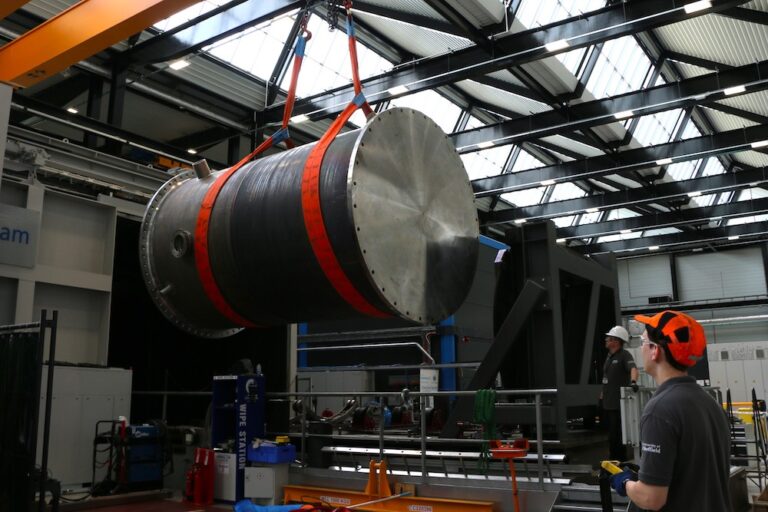
The power electronics team at Tokamak Energy said it has developed a power converter inside a vacuum cryostat. Successful tests completed in November demonstrated a 50% reduction in the heat load from the current leads.
The superconducting magnets are used in tokamak fusion reactors to contain and isolate plasma, so that it can reach the high temperatures at which fusion occurs. One of the main challenges for the magnets is the cryogenic cooling system, which is one of the biggest power consumption loads on a tokamak. Improving cooling efficiency will reduce costs for future fusion power plants.
This programme has been funded through the UK Government’s Department for Business, Energy and Industrial Strategy (BEIS) Advanced Modular Reactor (AMR) Feasibility and Development Phase 2 programme.
Chris Kelsall, CEO of Tokamak Energy, said: “We have now invented a new type of cryogenic power supply, based on the latest power electronics devices, that is highly efficient at low temperatures. This means we have the potential to reduce cryogenic capital and running costs for HTS magnets, by 50%, or more. This novel approach will provide significant cost savings, contributing to the achievement of commercial fusion energy.”
Further developmental work will be undertaken to demonstrate this highly efficient form of power supply under 1000A continuous operation and 2000A pulsed operations.