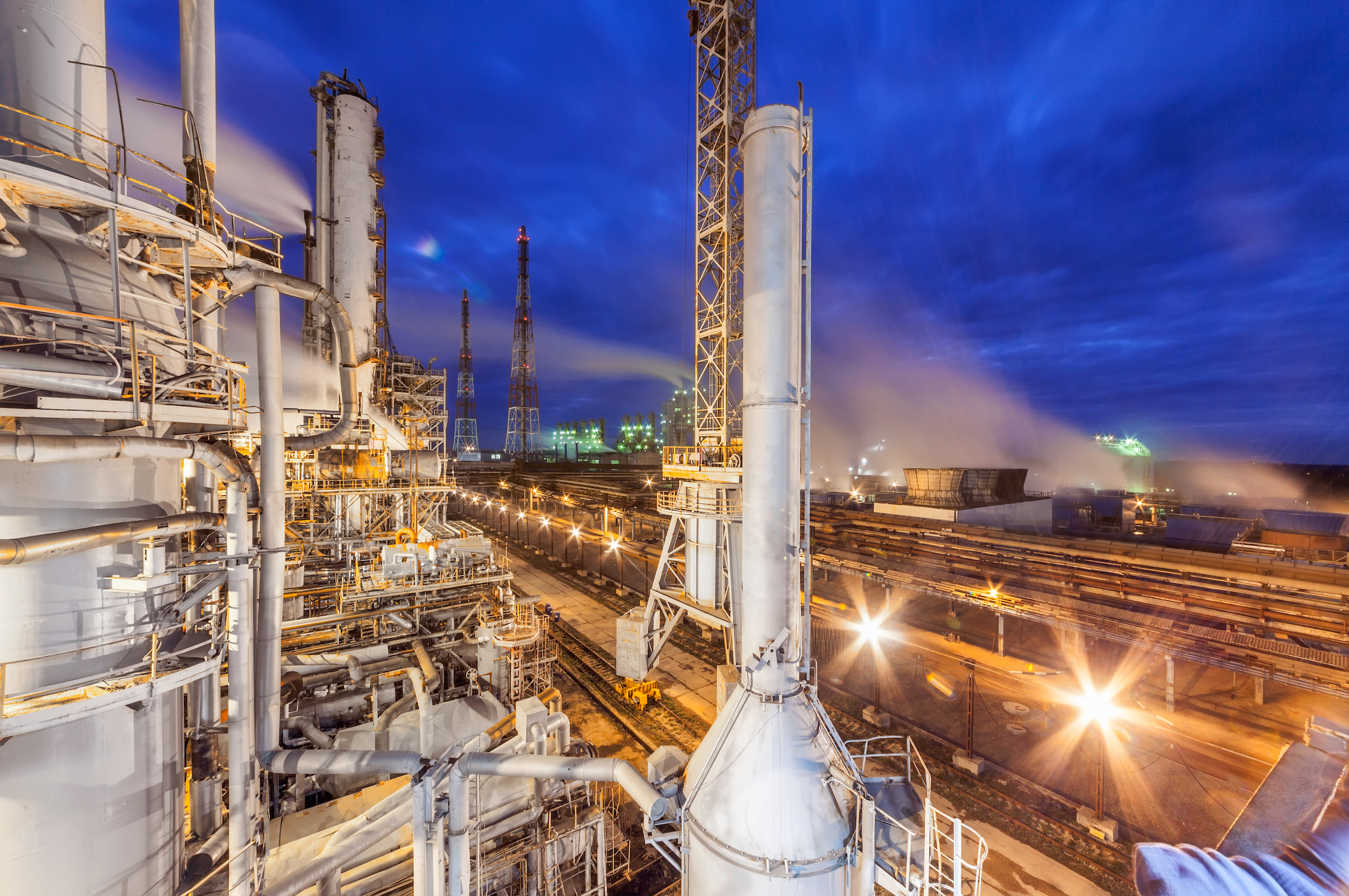

Monash University chemistry Professor Doug MacFarlane has long known that ammonia (NH3) can potentially be made directly from the nitrogen (N2) that makes up 78% of the air we breathe, plus hydrogen (H) from the water we drink, reports the Australian university.
If the electricity used to make this ammonia comes from renewable sources, then the ammonia would be green, or carbon-free.
This means the most important fertiliser on Earth – responsible for the increased agricultural yields that allows the planet to sustain its present population – could be created sustainably.
Most ammonia is produced in large plants, employing a process devised by Germans Fritz Haber and Carl Bosch more than a century ago. Haber-Bosch ammonia plants are responsible for roughly 1.8% of global greenhouse emissions.
Professor MacFarlane and collaborators Alexandr Simonov and Bryan Suryanto have now devised a method of producing green ammonia that has the potential to make Haber-Bosch plants obsolete. Their process is similar to the electrolysis approach to producing hydrogen.
Green ammonia can also be used to replace fossil fuels “in almost any application”, Professor MacFarlane says. This was first demonstrated in Belgium during WWII, when Belgian buses were adapted to run on liquid ammonia.
The International Marine Organisation has already mandated that marine-generated carbon emissions must be halved by 2050 – ammonia is the leading candidate to replace the more common diesel oil. Cars, buses and even jets can also be run on ammonia; in engines, ammonia runs similar to LPG.
Previous attempts to make green ammonia were only able to produce small amounts – not enough to be commercially viable.
“To be honest, the eureka moment was not really ‘Eureka!’, it was more like, ‘Are you sure? I think you need to do that again,’” Professor MacFarlane says.
“It takes a long time to really believe it. I don’t know that we’ve yet really had a proper celebration. The launch of our spin-out company will possibly be the time that we genuinely celebrate all of this.”