
An international coalition of construction experts has published the world’s first universal standard for reporting carbon dioxide emissions used in the building and lifecycle of structures – also known as ‘embodied and operational carbon’ within the industry.
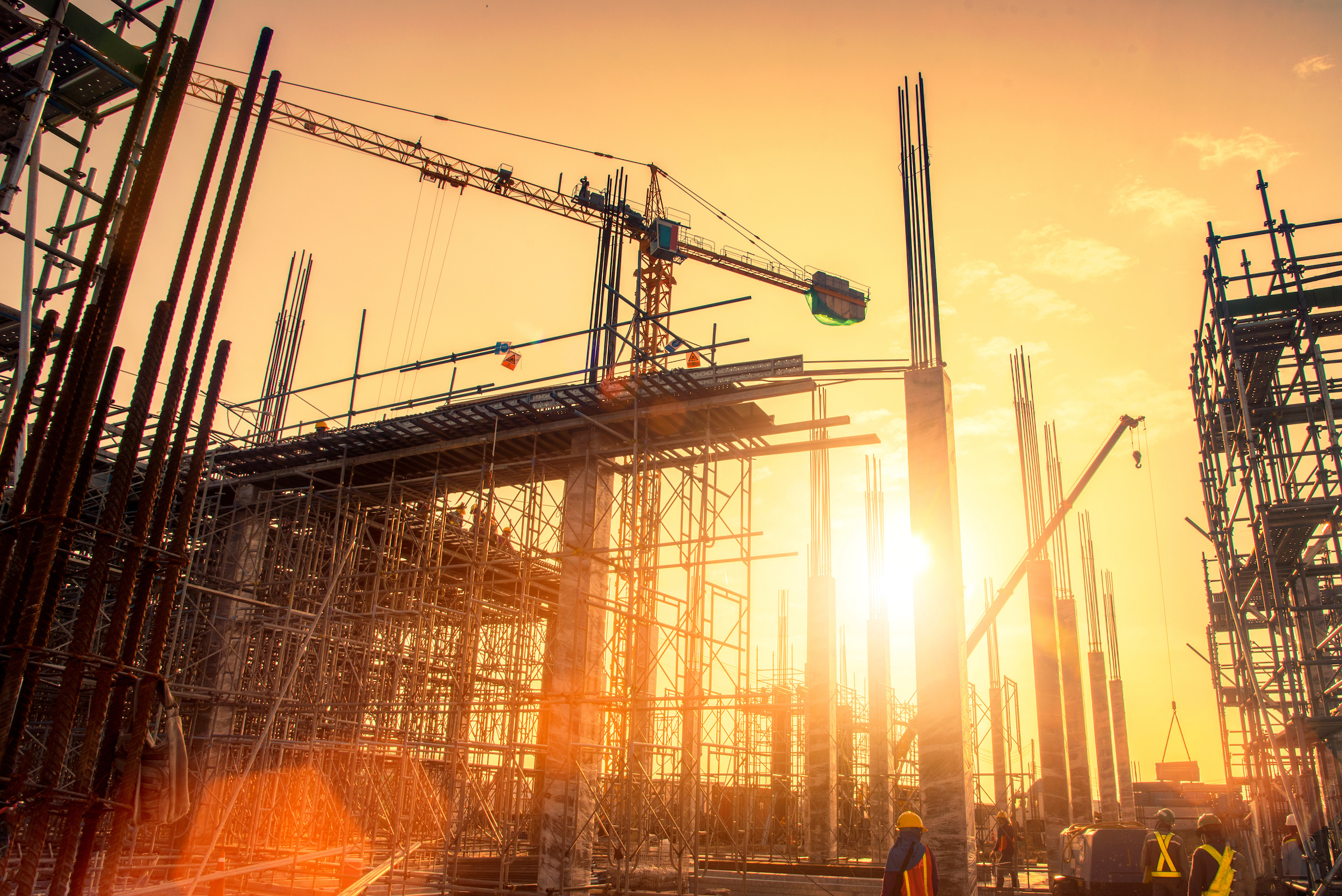
The International Cost Management Standard – or ICMS3 – sets out a methodology for construction professionals and developers to account the amount of embodied carbon their projects will create, whether that’s through the delivery of new roads, schools, offices, housing or railways.
An estimated 40% of global carbon emissions are emitted every year through the construction of new buildings and infrastructure, and the industry has accepted it must adapt in order to meet the pressing need to avert climate catastrophe.
The launch of ICMS3 represents the starting pistol being fired for the construction sector to embrace net-zero as a global, interconnected industry, and follows the COP-26 climate conference in Glasgow (UK) where world leaders set bold targets to avert a global disaster.
Prior to launch there were conflicting ways to report carbon, and according to the RICS Global Construction Monitor, 40% of industry didn’t feel that accurate carbon measurement was understood. The coalition – through ICMS3 – has introduced a simple, easy to use method that will allow the reporting of the emissions created – which in the near future will allow developers to alter their proposals (either by selecting more sustainable materials or adopting construction practices) to drive down the impact to the climate.
As well as reporting on ‘embodied carbon’, ICMS3 also allows the lifecycle, cost and carbon impacts of a building or infrastructure to be taken into account long after construction is complete.
Also, with a push to retrofit and reuse old buildings, rather than knocking them down, the Standard provides developers with data and information which could allow them to make informed considerations about the value of retrofitting.
As a global professional body, RICS are set to embed the new coalition standards into their standards and guidance for all members who operate in the construction sector. As such, RICS are planning to publish an updated whole life carbon assessment standard in 2022, which will align to ICMS3.