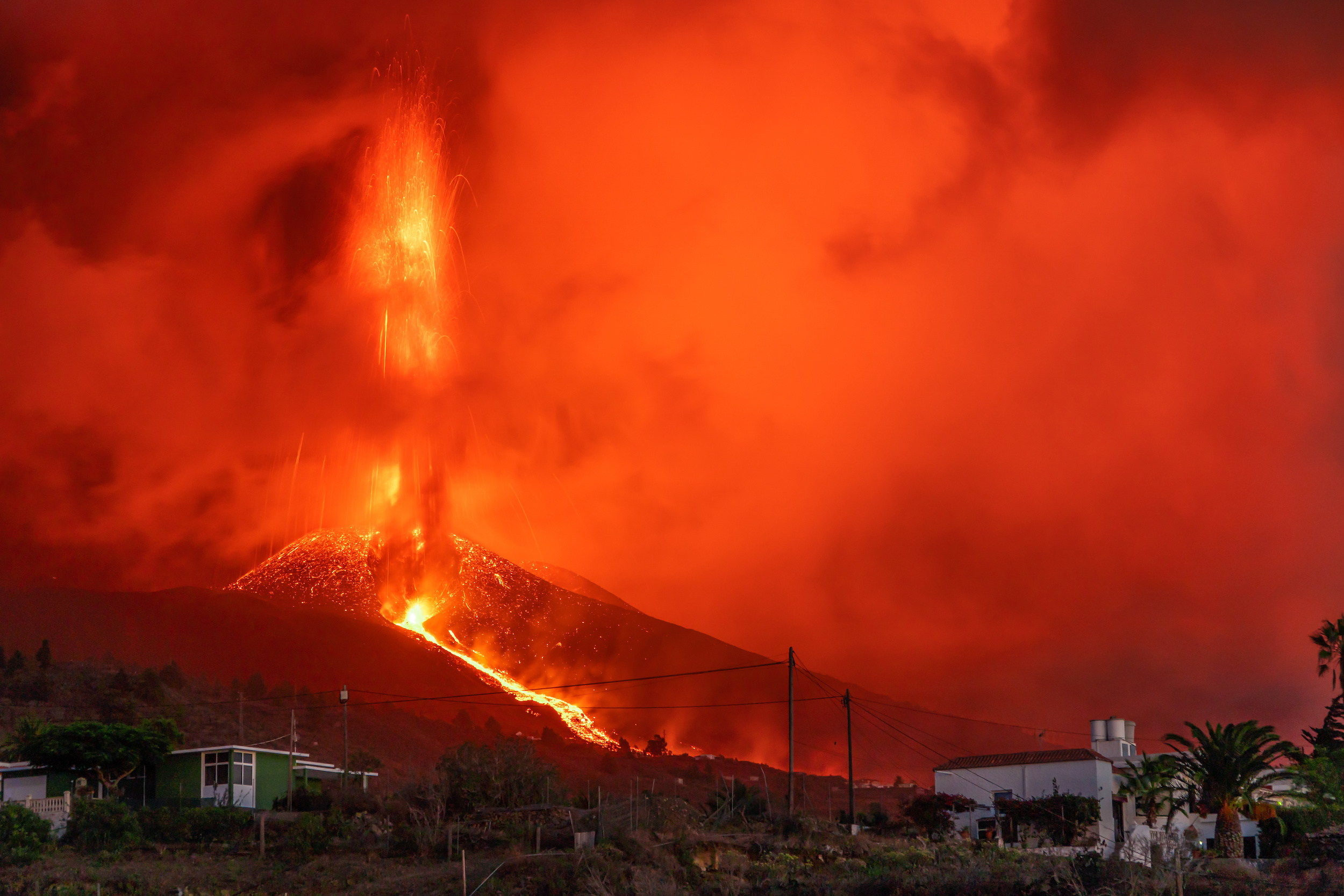

A method already being using to reveal the secrets of the pyramids, ore prospecting and inspect nuclear reactors, can be used to monitor volcanos by peering into magma flows.
According to new research published by The Royal Society and reported on by The New York Times, muography – which uses muons which are naturally produced in the interactions between cosmic rays and the atmosphere – can be used to see density differences and time-sequential changes in solid rocks and liquid.
Giovanni Leone, a geophysicist and the University of Atacama in Chile and the study’s lead author, said volcanic muography could become the “ultimate detection system for magma”. By tracking the movement of molten rock in real time, scientists will be able to forecast when an eruption is about to transpire.
It would also give scientists and civil engineers a better idea on how long the eruption will last and the economic impact of it on things ranging from building and land destruction to aviation route changes.
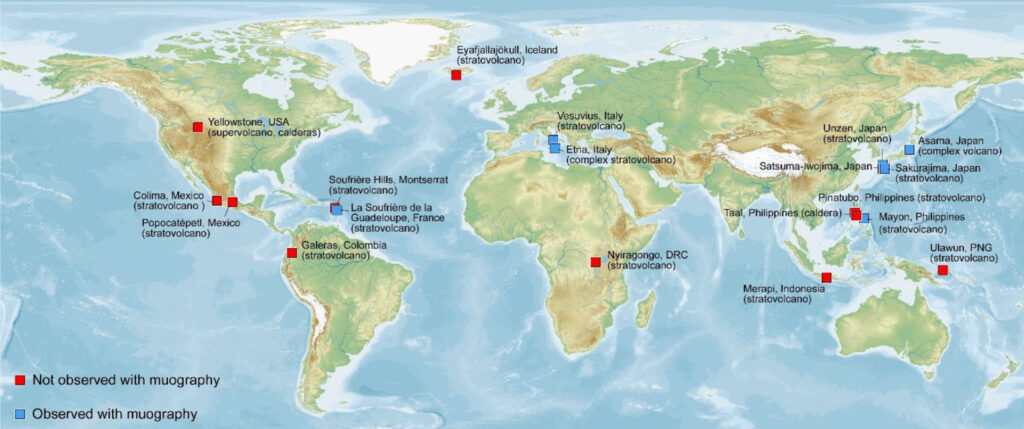
Already some volcanic areas such as around Naples, Italy, and in Japan are being monitored by muography. But, the majority of volcanos are not and as the paper’s authors comment, as it is the system is far from perfect.