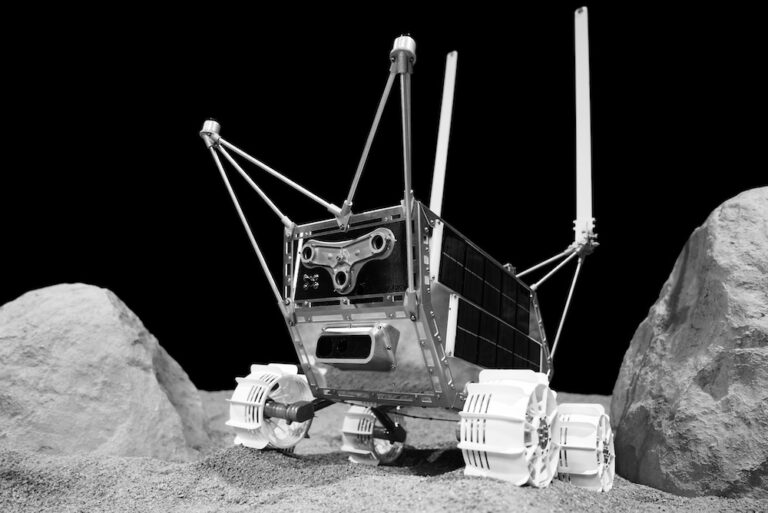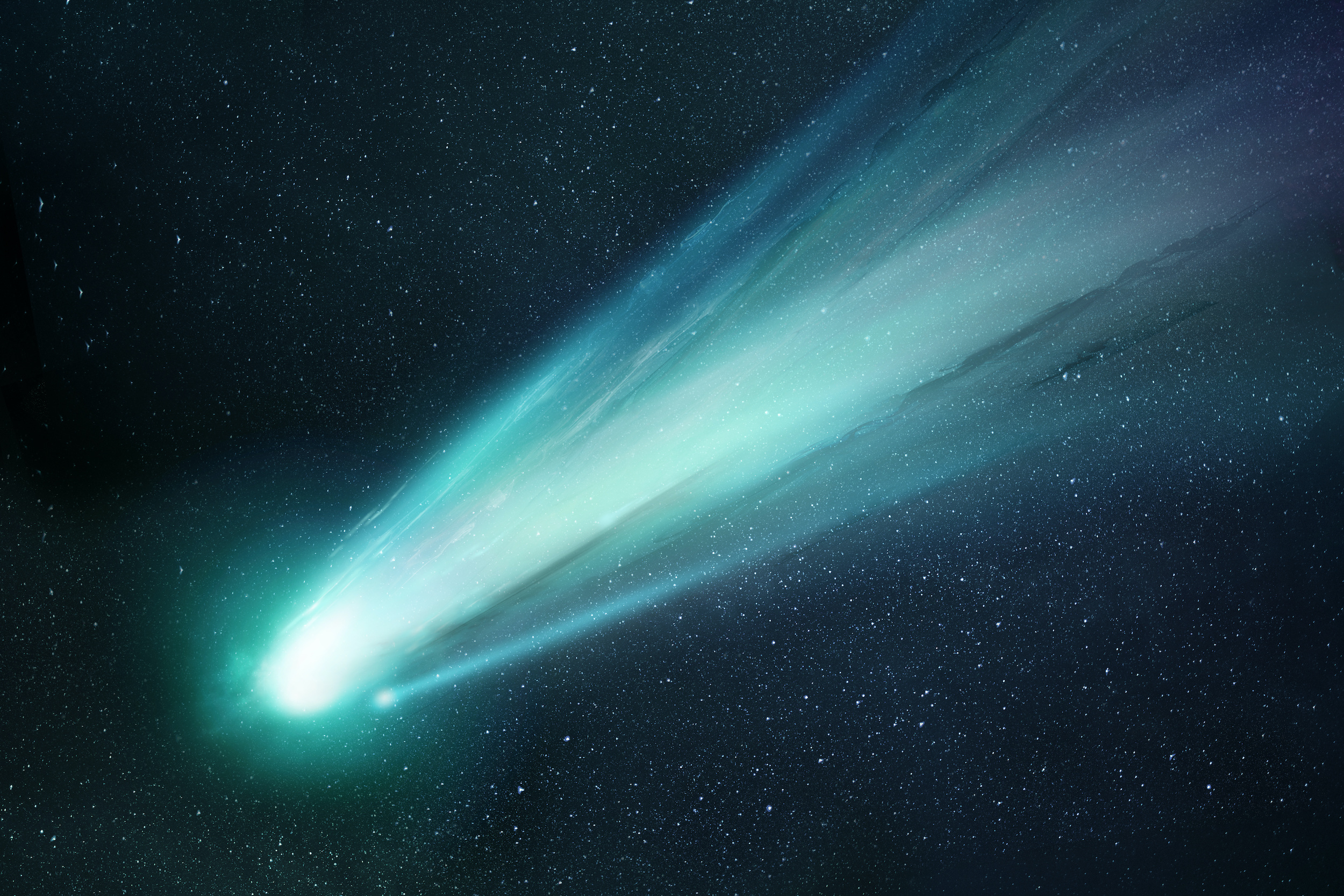

Thales Alenia Space will design two components of the Comet Interceptor Mission. The Italian-French aerospace company was contracted by the European Space Agency (ESA) to build the mother ship, and a smaller robotic probe, with design work carried out in the UK and Italy. A second of the smaller robotic probes is to be built by the Japanese Space Agency.
The scientists are likely to target a comet travelling from the Oort Cloud – a band of icy debris that lies about halfway between the Sun and the next nearest star. Once the probes reach a pristine comet, they will study and scrutinise the chemical composition of it, with one aim being to evaluate whether similar objects may have brought water to planet Earth in the past.
The mission was first proposed by an international team led by University College London and Edinburgh, and the mission’s lead scientist is based at the Mullard Space Science Laboratory to the south of London.
Comet Interceptor is the first of the European Space Agency’s new class of “fast” missions. Each mission must weigh less than 1,000kg and be ready for launch around 8 years after selection, so they can hitchhike into space on an already scheduled launch.
Comet Interceptor will launch in 2029 alongside the Ariel space telescope – another UK-backed ESA mission to study the atmospheres of exoplanets orbiting other distant stars.