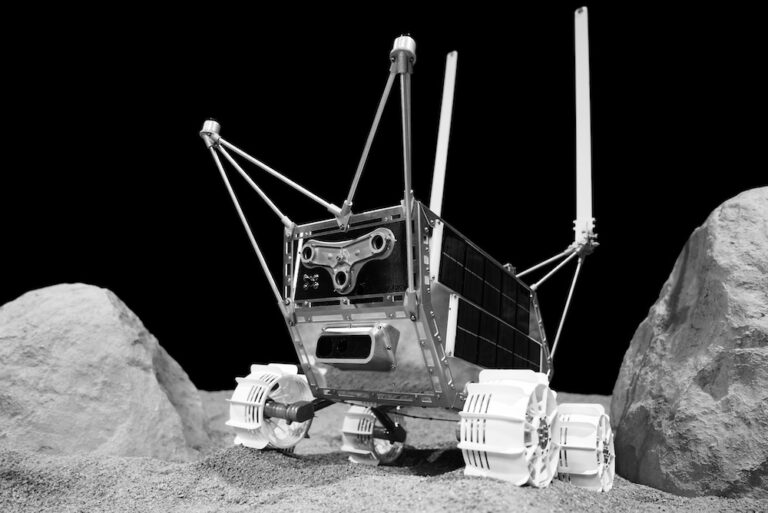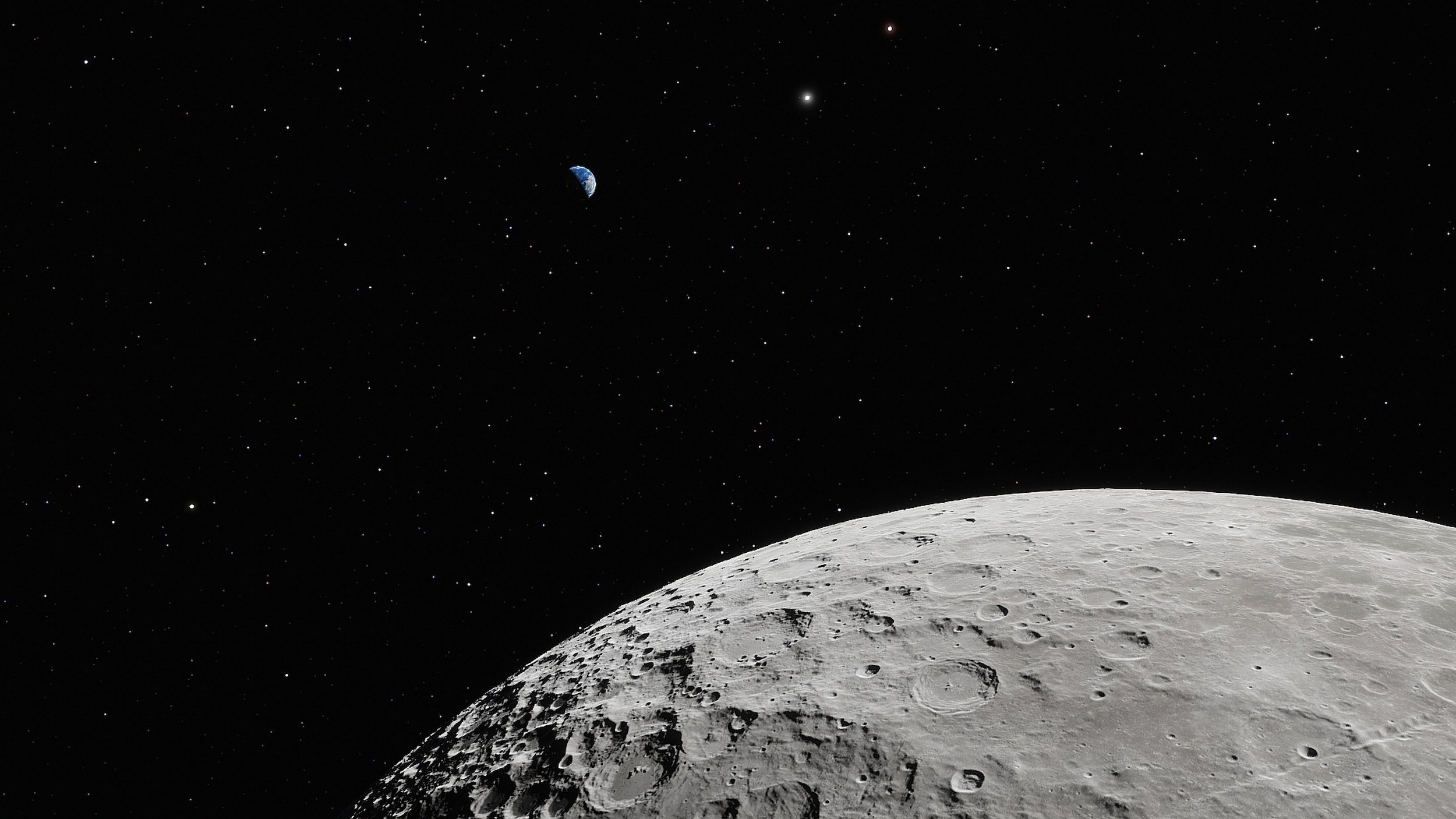

A remote-control car race has been scheduled for 2021 that comes with a slight twist – it is planned to be held on the Moon.
According to an article on New Atlas, a circuit is being designed by renowned racetrack designer Hermann Tilke, with the race cars being developed by both US high school students and Frank Stephenson, who is known for designing a range of cars that includes the McLaren P1.
The event is being organised by Moon Mark, who are a multimedia and education content company. They have partnered with Intuitive Machines – a private space company that plan to transport the cars to our lunar neighbour via their Nova-C Lunar Lander on a Falcon 9 Space X rocket.
“Intuitive Machines is excited to partner with Moon Mark in our aligned missions to bring young people into aerospace and associated disciplines,” said Steve Altemus, Co-Founder and CEO of Intuitive Machines.
“Space commercialization offers coming generations opportunities as never before. Moon Mark’s proven ability to reach and engage millions of people with the highest quality content and unique stories, makes our partnership a great fit.”
To be able to carry out this experience, six US high school teams will battle it out with one another in a series of challenges that include autonomous vehicle racing and e-gaming. The top two teams will then qualify for the opportunity to both design and race the cars on the Moon, with the launch date being scheduled for October 2021.