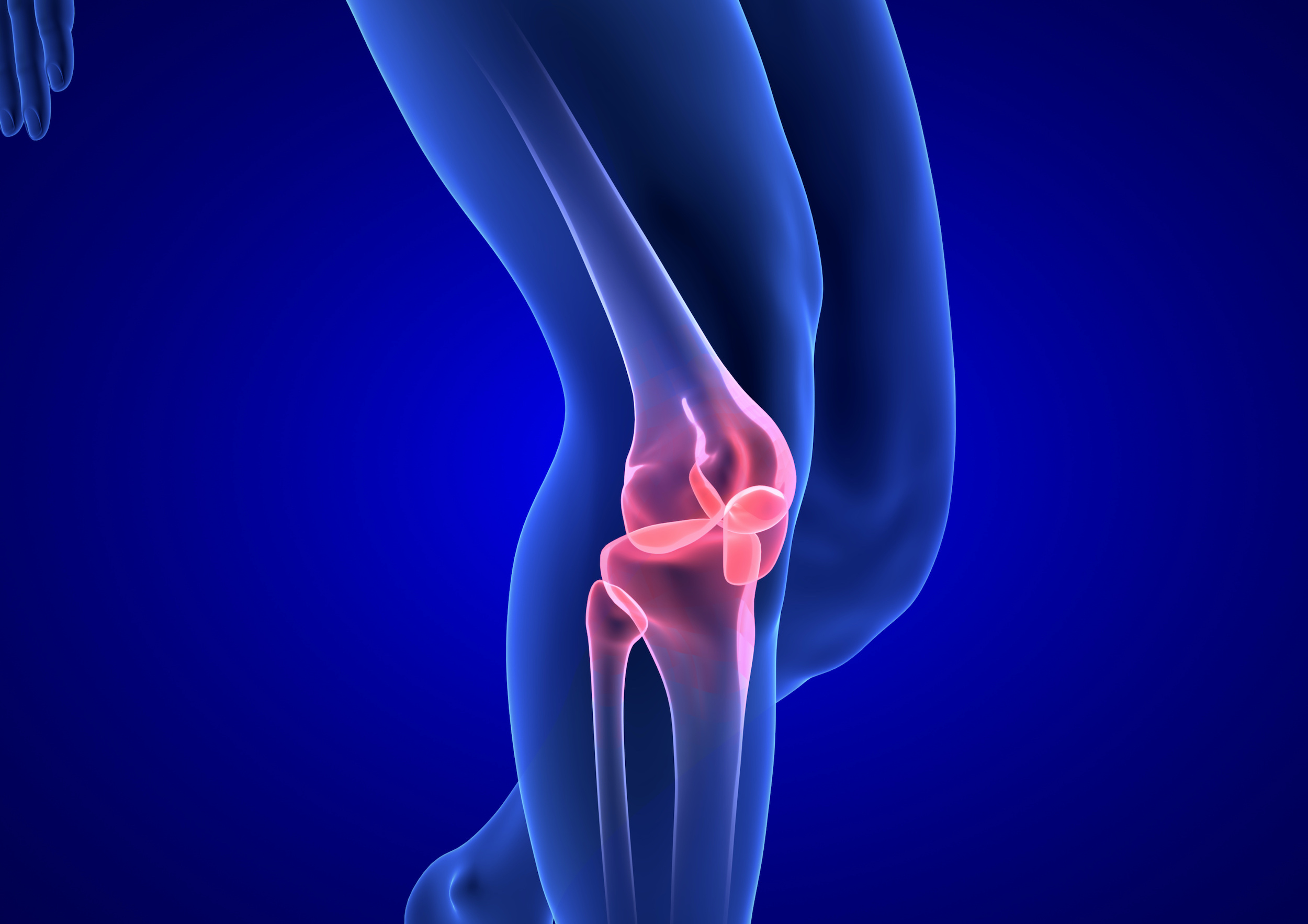

A team of scientists have produced a tissue construct in a proof-of-concept study that could help regenerate knee function for arthritic sufferers.
Through bio-printing methods, researchers at the Wake Forest Institute for Regenerative Medicine (WFRIM) have created a hybrid tissue construct comprised of two bio-inks – one that contains an environment for cells that is needed for them to grow and to also be maintained, with the other bio-ink providing the overall structure of the tissue.
The tissue was printed by the Integrated Tissue and Organ Printing System. This is a bioprinter that was developed over a 14-year period by the WFRIM.
Further preclinical tests will need to be performed, but it is hoped that one day this innovation could both restore and kick-start function in an area of the human knee known as the meniscus. This is a cartilage that acts as a cushion and one that stops the upper and lower leg bones rubbing together.
“We have such a need for effective treatments and therapies to help patients deal with degenerative joint problems, especially the knee,” said Anthony Atala who is a director of the WFRIM.
“This proof-of-concept study helps point our work in the right direction to someday be able to engineer this crucial tissue that is so important for patients.”