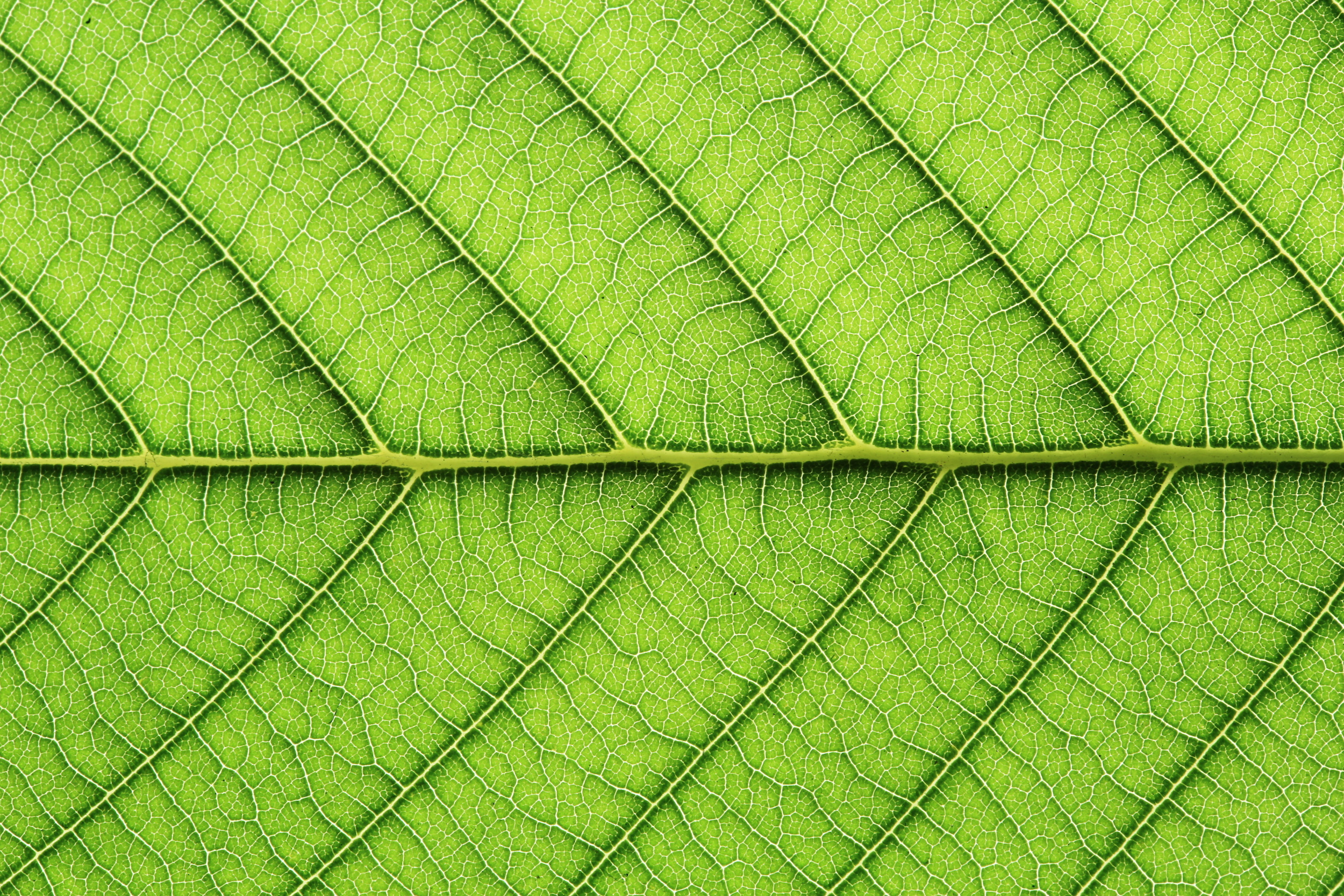

Researchers from Cambridge University believe that they have made a vital stride towards achieving artificial photosynthesis.
This claim is based on the development of a standalone device that produces a carbon-neutral fuel from converting carbon dioxide, water and sunlight. This fuel is storable and can also be converted into hydrogen.
According to The Engineer, this advancement is based around ‘photosheet’ technology. Furthermore, the research team have stated that this device can perform freely without electricity or any other additional components.
The team at Cambridge University are currently working on the device to improve its efficiency but it is thought that it could be further maximised for utilisation on energy farms to produce clean fuel.
This is a challenging procedure to carry out, though this development could provide a promising route away from fossil fuels and would lower levels of carbon emissions.
“It’s been difficult to achieve artificial photosynthesis with a high degree of selectivity, so that you’re converting as much of the sunlight as possible into the fuel you want, rather than be left with a lot of waste,” said Dr Qian Wang from Cambridge’s Department of Chemistry.